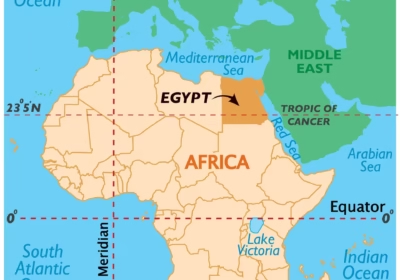
Learn Cost Of 1 Week Trip To Egypt and see how far your budget can take you across one of the world’s most fascinating destinations. At first glance, Egypt may seem expensive, but many visitors find it surprisingly affordable. From temples and tombs to local dining and transport, this guide helps you understand real prices and plan a well-balanced travel experience.
How Much Would A Trip To Egypt Cost For A Week?
The Cost Of 1 Week Trip To Egypt can vary more than most travelers expect, depending on your travel style, timing, and choices. On average, a budget traveler might spend around $500–$800, while a mid-range trip typically falls between $900–$1,500. Luxury experiences, including high-end hotels and private tours, can easily reach $2,500 or more for a week.
At first glance, Egypt may seem expensive because of international flights, but once you arrive, daily costs are surprisingly affordable. Accommodation, local food, and transportation are all reasonably priced compared to many other destinations. For example, meals at local restaurants are inexpensive, and entry fees to historical sites are usually manageable.
Many visitors are surprised to see how much value they get. You could spend your morning exploring ancient temples, enjoy a Nile-side lunch, and end the day in a comfortable hotel—all within a reasonable budget. This balance of cost and experience is what makes Egypt such an attractive destination for travelers.
What Affects the Trip to Egypt Cost?
Several key factors shape how much you’ll spend in Egypt, and understanding them early can make a big difference in your overall budget. One of the biggest influences is your travel style. Budget travelers using local hotels and public transport will spend far less than those choosing luxury resorts or private guides.
Timing also plays a major role. Visiting during peak season, especially winter months when the weather is mild in places like Luxor and Aswan, usually means higher prices for hotels and tours. On the other hand, traveling in summer can reduce costs significantly, even if temperatures are higher.
Another important factor is your itinerary. A simple Cairo-only trip costs less than a multi-city journey including Nile cruises and flights between destinations. Activities can also add up. For example, desert adventures like the Quad Tour Marsa Alam bring a completely different experience—and price range—compared to standard sightseeing.
Accommodation choices, transportation methods, and even dining preferences all combine to shape your final budget. Because of this, no two trips to Egypt ever cost exactly the same.
Cost Of 1 Week Trip To Egypt: What to Expect Before You Book
Before confirming your plans, it helps to understand exactly what shapes the Cost Of 1 Week Trip To Egypt so there are no surprises later. Many travelers assume a fixed price, but in reality, costs can shift depending on choices you make even before arriving.
Flights are often the biggest upfront expense, especially if you’re traveling long distances. After that, your daily spending becomes more flexible. Hotels range from simple guesthouses in Cairo to luxury Nile-view resorts in Luxor and Aswan. This variety allows you to adjust your trip based on your comfort level and budget.
One thing many visitors don’t realize is how affordable local experiences can be. Walking through temple complexes, hiring a local guide, or enjoying a traditional meal by the Nile often costs far less than expected. However, adding extras like domestic flights or guided tours will increase your overall budget.
Planning ahead gives you control. By choosing where to spend and where to save, you can shape a trip that feels rich in experience without going beyond your budget.
When to Visit for the Best Value
Choosing the right time to visit Egypt can significantly affect how much you spend, often more than travelers expect. Prices for hotels, tours, and even flights rise during peak season, especially between October and April when the weather is cooler and ideal for exploring places like Luxor and the Valley of the Kings.
If you’re looking for better value, traveling in late spring or summer can reduce costs noticeably. It may be hotter, particularly in southern cities like Aswan, but many hotels offer discounts, and popular sites are less crowded. This balance between price and comfort is something experienced travelers plan carefully.
Interestingly, some of the best travel deals also come with unique experiences. For example, during quieter months, Red Sea activities such as the Dolphin House Marsa Alam tour are often more available and sometimes more affordable, giving you both savings and a more relaxed atmosphere.
In the end, the best time depends on your priorities—whether you value cooler weather, smaller crowds, or lower prices.
Flights – How Much Will You Pay to Fly to Egypt?
Flights are usually the biggest single expense when calculating the Cost Of 1 Week Trip To Egypt, and prices can vary widely depending on where you’re flying from. Travelers coming from Europe might find round-trip tickets between $300 and $700, while flights from the United States or Canada often range from $700 to $1,200 or more.
Booking timing makes a noticeable difference. If you reserve your ticket a few months in advance, you’ll often find better deals compared to last-minute bookings. Flexible travel dates can also help reduce costs, especially if you avoid peak holiday periods.
Many visitors arrive in Cairo, but some choose to fly directly to Red Sea destinations or Upper Egypt to save time. While direct flights may cost more, they can reduce the need for internal travel later.
It’s worth noting that flight prices can sometimes equal or exceed your entire in-country spending. This is why planning your flights carefully is one of the smartest ways to manage your overall Egypt travel budget.
How far in advance should I book flights to Egypt?
Booking your flight at the right time can make a noticeable difference in both price and availability. In most cases, travelers find the best deals when booking around 2 to 4 months in advance. This window often offers a good balance between affordable prices and flexible flight options.
If you’re planning to visit during peak season—especially winter months when Egypt’s weather is at its best—it’s wise to book even earlier. Flights fill up quickly, and prices tend to rise as demand increases. On the other hand, last-minute deals are rare for long-haul destinations like Egypt, so waiting too long can cost you more.
Many experienced travelers also keep an eye on mid-week departures, which are sometimes cheaper than weekend flights. Flexibility really helps here.
Interestingly, planning your flights early also gives you more time to organize activities. For example, once your dates are fixed, you can easily schedule experiences like the Horseback Riding Tour Marsa Alam without worrying about availability. This kind of planning makes your trip smoother from the very beginning.
Visa Fee – What You Need to Enter Egypt
Before arriving, it’s important to include the visa cost when calculating the Cost Of 1 Week Trip To Egypt. For most travelers, Egypt offers a simple visa-on-arrival system, which currently costs around $25 USD for a single-entry tourist visa. This process is usually quick at major airports like Cairo, making entry straightforward.
Some nationalities may also apply for an e-visa online before travel, which can save time upon arrival. While the price is generally the same, many travelers prefer this option for convenience and peace of mind.
It may seem like a small detail, but visa fees are part of your overall travel budget and should not be overlooked. In fact, when combined with airport transfers and initial expenses, your first day in Egypt can cost more than expected.
Most visitors find the process smooth, especially if they have cash ready in USD. Planning this step in advance ensures a stress-free arrival, allowing you to focus on exploring Egypt’s incredible temples, cities, and landscapes right from the start.
What currency is used in Egypt?
The official currency used in Egypt is the Egyptian Pound (EGP), and understanding how it works can make your trip much smoother. Most daily expenses—like taxis, local restaurants, and small shops—are paid in cash using Egyptian pounds, especially outside major tourist areas.
When you arrive, it’s common to exchange some money at the airport or withdraw from an ATM. Many travelers find this more convenient than carrying large amounts of foreign currency. While US dollars and euros are sometimes accepted in tourist spots, relying on local currency usually gives you better value.
In popular destinations like Cairo, Luxor, and Aswan, you’ll notice a mix of payment methods. However, in more traditional areas or markets, cash is still essential. For a unique experience, some travelers even combine sightseeing with local activities, such as the Camel Riding Marsa Alam Tour, where having small cash notes is particularly useful.
Being familiar with the currency helps you manage your daily budget more confidently and avoid confusion during your trip.
Can I use credit cards in Egypt?
Yes, you can use credit cards in Egypt, but not everywhere—so it’s important to plan ahead when calculating the Cost Of 1 Week Trip To Egypt. In major cities like Cairo and tourist areas such as Luxor and Aswan, most hotels, upscale restaurants, and larger shops accept credit cards without any issues.
However, once you step into local markets, small cafés, or more traditional areas, cash becomes essential. Many travelers are surprised to find that even some tour guides or drivers prefer cash payments. This is especially true when visiting smaller sites or arranging local experiences.
Another thing to consider is that some places may add a small fee for card payments, or machines may occasionally not work. Because of this, it’s always smart to carry a mix of payment options.
A practical approach is to use your card for big expenses like hotels and keep cash for daily spending. This balance helps you avoid inconvenience while keeping your travel budget under control.
ATM and currency exchange fees, as well as hidden bank charges
Managing your money in Egypt involves more than just exchanging cash, as small fees can quietly increase your total expenses. Many travelers rely on ATMs, which are widely available in cities like Cairo and tourist areas. However, each withdrawal may include local bank fees plus additional charges from your home bank.
Currency exchange offices are another option, often offering reasonable rates, but it’s important to compare before committing. Airports tend to have slightly higher rates, while city exchanges can be more favorable.
Hidden costs are what surprise most visitors. Foreign transaction fees, dynamic currency conversion at payment terminals, and repeated ATM withdrawals can all add up over time. For example, paying in your home currency instead of Egyptian pounds may seem convenient, but it often comes with a less favorable exchange rate.
Planning ahead helps avoid these extra charges. Some travelers even set aside part of their budget for experiences like Parasailing Sharm El Sheikh, making it easier to track spending without unexpected deductions. Keeping an eye on fees ensures your budget stays under control throughout your trip.
Accommodation – Where Will You Spend Your Nights in Egypt?
Accommodation is one of the biggest factors shaping the Cost Of 1 Week Trip To Egypt, and the range of options is wider than many travelers expect. From budget hostels in Cairo to luxury resorts along the Nile, Egypt offers something for every type of visitor.
If you’re traveling on a budget, simple guesthouses or 2–3 star hotels can cost as little as $15–$40 per night. Mid-range hotels, often located near major attractions or city centers, usually fall between $50–$120 per night and offer a comfortable balance of price and quality. For those looking for a more premium experience, luxury hotels in places like Luxor or Aswan can range from $150 to $400+ per night, often with stunning Nile views.
Many visitors are surprised by the value. Even mid-range hotels often include breakfast and spacious rooms compared to other destinations. Staying near key sites also saves time and transportation costs.
Choosing the right accommodation isn’t just about comfort—it directly affects how much you spend daily and how easily you explore Egypt’s incredible landmarks.
Transportation – Getting Around Egypt Efficiently
Getting around Egypt is easier than many travelers expect, and your choices can directly affect both comfort and budget. Domestic flights are the fastest option, especially when traveling between Cairo, Luxor, and Aswan, but they come at a higher cost. Trains, particularly overnight or first-class options, offer a more affordable and scenic alternative along the Nile.
Within cities, taxis and ride-hailing apps are widely used and reasonably priced. Many visitors find them convenient for short distances, especially in busy areas like Cairo. For longer journeys or guided trips, private drivers are also a popular choice.
In tourist destinations near the Red Sea, transportation often becomes part of the experience itself. For example, exploring desert landscapes through activities like the Sharm El Sheikh Camel Ride combines travel with adventure, making the journey just as memorable as the destination.
Choosing the right transportation depends on your schedule, comfort level, and budget. A well-planned mix of options can help you move efficiently while still enjoying the unique scenery and culture along the way.
One Week Budget Breakdown
A clear breakdown helps you understand how the Cost Of 1 Week Trip To Egypt is distributed across your trip. Instead of thinking about one total number, it’s more useful to see where your money actually goes day by day.
Flights usually take the largest portion, especially for international travelers. After that, accommodation and transportation follow. For a typical one-week trip, you might spend around $50–$150 per night depending on your hotel choice, while local transport and domestic flights add another layer to your budget.
Daily expenses are often lower than expected. Meals, entrance tickets, and short rides are relatively affordable, which is why many travelers feel they get great value once they arrive. For example, a full day exploring temples in Luxor, including transport and food, can cost far less than a single activity in other countries.
Small extras—like tips, souvenirs, or optional tours—complete the picture. These may seem minor, but they add up over a week. When everything is combined, your total budget becomes easier to control and plan realistically.
Daily Costs by Budget Type
Daily spending in Egypt can vary widely depending on your travel style, but this flexibility is exactly what makes it appealing. For travelers researching the cost of a 1 week trip to Egypt from the USA, understanding daily costs helps break the trip into something more manageable and realistic.
Budget travelers often spend around $30–$60 per day. This usually includes simple accommodation, local meals, and basic transportation. Many backpackers are surprised by how far their money goes, especially when eating at local spots or using shared transport.
Mid-range travelers typically spend between $70–$150 per day. This allows for comfortable hotels, guided tours, and a mix of local and international dining. It’s the most popular option for visitors who want a balance between comfort and value.
Luxury travel can range from $200 to $400+ per day, depending on hotel standards and private experiences. Think Nile-view rooms, private guides, and high-end dining.
This range shows that Egypt can adapt to almost any budget, making it easier to plan your trip based on your priorities.
The cost of a one-week trip to Egypt: budget, mid-range, and luxury options
Understanding the full Cost Of 1 Week Trip To Egypt becomes much clearer when you break it down into three main travel styles: budget, mid-range, and luxury. Each offers a completely different experience, even though you may visit the same iconic sites.
For budget travelers, a one-week trip can cost between $500 and $800, excluding flights. This usually includes basic hotels, local food, and affordable transport. It may look simple, but many visitors still enjoy incredible experiences like exploring temples or walking through historic streets.
Mid-range travelers typically spend $900 to $1,500 for the week. This option allows for comfortable hotels, guided tours, and smoother transportation between cities like Cairo and Luxor. It’s often the most popular choice because it balances cost and comfort.
Luxury travel can reach $2,500 or more. This includes high-end hotels, private tours, and premium experiences such as Nile-view rooms or exclusive excursions.
What makes Egypt unique is that all three options still offer access to the same history—you simply choose how you experience it.
Cost Of 1 Week Trip To Egypt for Different Travel Styles
Travel style plays a major role in shaping your overall experience, and it directly answers the question many travelers ask: what is the Cost of food in Egypt and how does it fit into the full budget? The truth is, your daily habits—from where you eat to how you move around—can change your total spending more than you expect.
Backpackers and budget travelers often focus on local food, street meals, and simple accommodations. In this case, food costs are very low, sometimes just a few dollars per meal, which helps keep the overall budget minimal.
Mid-range travelers usually mix local dining with more comfortable restaurants. This increases food spending slightly, but still offers great value compared to many destinations. Many visitors enjoy trying different Egyptian dishes without worrying about high prices.
Luxury travelers, on the other hand, may dine in upscale restaurants or hotels, where international menus and premium service raise daily costs. Still, even high-end dining in Egypt is often more affordable than in Europe or the US.
Your travel style defines not just your comfort—but how your budget is distributed across the entire trip.
Food & Dining – Enjoy Egyptian Cuisine Without Breaking Your Budget
Food is one of the most enjoyable parts of traveling, and it plays a surprisingly small role in the overall Cost Of 1 Week Trip To Egypt. Many visitors are amazed by how affordable and flavorful Egyptian meals are, especially when eating like a local.
Street food and small local restaurants offer some of the best value. Dishes like koshari, falafel, and grilled meats can cost just a few dollars, yet they are filling and full of flavor. It may look simple, but these meals are part of everyday life in Egypt and give you a more authentic experience.
Mid-range dining is also accessible, with restaurants in Cairo or along the Nile serving a mix of traditional and international dishes at reasonable prices. Even in tourist areas like Luxor, you can enjoy a good meal without spending much.
Luxury dining is available too, especially in high-end hotels, but it’s still more affordable than in many other countries. This is why many travelers feel they can enjoy great food daily without worrying about their budget.
Sightseeing & Activities – Make the Most of Your Time in Egypt
Sightseeing is at the heart of any Egypt trip, and it directly answers the question many travelers ask: How much to travel to Egypt when planning daily activities. The good news is that exploring Egypt’s iconic sites is often more affordable than expected.
Entrance fees to major attractions like the Pyramids of Giza, Karnak Temple, or the Valley of the Kings are reasonably priced, especially considering their historical value. Many visitors are surprised that a full day of exploring ancient temples and tombs can cost less than a single attraction in other countries.
Guided tours are optional but can enhance the experience. Local guides often bring history to life, explaining carvings and stories you might otherwise miss. Prices vary depending on whether you choose group tours or private experiences.
Beyond historical sites, activities like desert safaris, snorkeling in the Red Sea, or cultural experiences add variety to your trip. These extras can increase your budget slightly, but they also create some of the most memorable moments.
Balancing iconic landmarks with unique activities helps you get the most value from your time in Egypt.
Nile Cruise
A Nile cruise is one of the most unforgettable experiences in Egypt, and it can significantly influence the Cost Of 1 Week Trip To Egypt depending on the level of comfort you choose. For many travelers, sailing between Luxor and Aswan is not just transportation—it’s part of the journey itself.
Most cruises last 3 to 5 days and include accommodation, meals, and guided tours to major sites like Karnak Temple and the Valley of the Kings. Budget cruises may start around $300–$500 per person, while mid-range options typically range from $600–$1,000. Luxury cruises, offering premium cabins and personalized service, can exceed $1,500.
What makes this experience unique is the combination of relaxation and exploration. During the day, you visit ancient temples, and in the evening, you sail along the Nile watching the landscape slowly change. Many travelers say this becomes the highlight of their trip.
While it adds to your budget, a Nile cruise often replaces multiple expenses like hotels, transport, and guided tours—making it a valuable and efficient choice for many visitors.
Does the 7-day budget include the Nile River cruise?
Many travelers wonder whether a cruise fits into their plan, especially when thinking about How much money to take to Egypt for 2 weeks or even a shorter trip. The answer depends on how you structure your itinerary and budget priorities.
In most cases, a standard 7-day Egypt trip does not automatically include a Nile cruise unless you specifically plan for it. Cruises usually take 3 to 5 days, which means they can replace part of your accommodation, transport, and guided tours rather than being an extra add-on.
For budget travelers, including a cruise may feel expensive and might push the trip beyond their limit. However, mid-range and luxury travelers often include it because it simplifies logistics and adds a unique experience. Instead of booking hotels, transport, and tours separately, everything is bundled into one journey along the Nile.
It’s important to decide early. If a cruise is a priority, you’ll need to allocate a larger portion of your budget to it. If not, you can still explore Luxor and Aswan independently while keeping your costs lower and your itinerary more flexible.
Egypt Tour Package Prices vs Independent Travel
Choosing between a tour package and independent travel can greatly impact the Cost Of 1 Week Trip To Egypt, and each option offers a very different experience. Tour packages are often designed to include everything—hotels, transportation, guides, and sometimes meals—making planning much easier.
For many first-time visitors, packages provide convenience and structure. You don’t have to worry about booking trains, finding guides, or organizing daily schedules. Everything is arranged in advance, which can save time and reduce stress, especially when visiting multiple cities like Cairo, Luxor, and Aswan.
On the other hand, independent travel gives you more flexibility. You can choose where to stay, how long to spend at each site, and which activities to include. In some cases, this can be slightly cheaper, especially if you’re comfortable using local transport and booking your own hotels.
However, many travelers find that the price difference is not always as big as expected. Packages often bundle services at discounted rates, which can balance out the cost. The choice ultimately depends on whether you value flexibility or convenience more during your trip.
Are Egypt Vacation Packages cheaper than booking everything separately?
Many travelers ask whether packages actually save money, especially when wondering How far will $100 go in Egypt? The answer depends on how you like to travel and how well you plan.
In many cases, Egypt vacation packages can be surprisingly cost-effective. Tour companies often secure better rates for hotels, transportation, and guides by booking in bulk. This means that what looks like a higher upfront price may actually include services you would otherwise pay for separately—sometimes at a higher total cost.
For first-time visitors, packages can also reduce unexpected expenses. Transfers, entrance fees, and guided tours are usually included, which helps you avoid last-minute spending. This makes budgeting easier and more predictable.
However, independent travelers who carefully compare prices and use local services can sometimes spend less overall. The trade-off is time and effort. You’ll need to organize everything yourself, from transport to daily activities.
In the end, packages are often cheaper in terms of convenience and bundled value, while independent travel may offer savings for those willing to plan every detail.
What is the most expensive part of an Egypt trip?
For most travelers, the biggest expense in the Cost Of 1 Week Trip To Egypt is the international flight. Depending on where you’re coming from, airfare can take up a large portion of your total budget—sometimes even more than everything you spend inside Egypt.
After flights, accommodation is usually the second highest cost. Luxury hotels, Nile cruises, and premium resorts can quickly increase your spending, especially if you prefer comfort and convenience. However, Egypt offers a wide range of options, so this cost can be adjusted based on your travel style.
Interestingly, daily expenses like food, local transport, and entrance tickets are relatively low. Many visitors are surprised that once they arrive, their money stretches much further than expected. This is why Egypt is often considered a high-value destination.
Optional experiences, such as private tours or special activities, can also add up if you choose them. Still, compared to flights and accommodation, these costs are usually more flexible and easier to control.
Understanding where your money goes helps you plan smarter and focus your budget on what matters most during your trip.
Miscellaneous Expenses – Cover Every Small Cost
When planning your trip, it’s easy to focus on big expenses, but smaller costs can quietly add up over time. Many travelers asking How much money do I need for a week in Egypt? often overlook these everyday extras that shape the final budget.
These expenses include things like bottled water, snacks, small entrance fees, tips, and souvenirs. Individually, they may seem insignificant, but over a full week, they can make a noticeable difference. For example, buying drinks throughout hot days in Luxor or Aswan is almost unavoidable and adds to daily spending.
There are also occasional unexpected costs. Public restroom fees, camera permits at certain historical sites, or small service charges can catch visitors off guard if they’re not prepared. Even short taxi rides or quick purchases in local markets contribute to your total.
The best approach is to set aside a small daily buffer for these extras. This keeps your budget flexible and prevents surprises, allowing you to enjoy your trip without constantly worrying about every small expense.
Tipping Culture (Baksheesh) – Small Tips Add Up
Tipping, often called “baksheesh,” is a common part of daily life in Egypt and should always be considered when estimating the Cost Of 1 Week Trip To Egypt. While individual tips may seem small, they can quickly add up over the course of your trip.
In restaurants, leaving around 5–10% is typical if service is not already included. Hotel staff, drivers, guides, and even restroom attendants often expect small tips as a sign of appreciation. It may feel unusual at first, but this system is deeply rooted in local culture.
Many travelers are surprised by how frequently tipping occurs. From carrying luggage to helping with directions at historical sites, small services are often rewarded with a few pounds. Because of this, having small cash notes is very helpful throughout your trip.
The key is to plan for it. Setting aside a small daily amount for tips helps you stay within budget while respecting local customs. Over a week, these small gestures become part of the overall travel experience and cost.
SIM Cards & Internet Cost
Staying connected during your trip is easier and cheaper than many expect, especially when considering the cost of a 1 week trip to Egypt from the USA. Internet access in Egypt is widely available, and getting a local SIM card is one of the most practical options for travelers.
At the airport or in major cities like Cairo, you can buy a SIM card from providers such as Vodafone, Orange, or Etisalat. Prices are quite affordable, usually ranging from $5 to $15 depending on the data package. For most visitors, this is enough for maps, messaging, and basic browsing throughout the week.
Hotels and cafés often offer Wi-Fi, but the quality can vary. That’s why many travelers prefer having mobile data, especially when navigating busy streets or exploring remote sites.
One interesting thing is how useful internet access becomes when visiting places like Luxor or Aswan. Whether you’re checking directions to a temple or communicating with a guide, having reliable data makes everything smoother.
Overall, SIM cards are a small but essential part of your travel budget that adds convenience without significantly increasing your expenses.
Hidden Costs of Traveling to Egypt: What You Should Know
Even with careful planning, some expenses are easy to overlook, and they can slightly increase the Cost Of 1 Week Trip To Egypt if you’re not prepared. These hidden costs are not necessarily large, but they appear throughout your journey in small, unexpected ways.
One common example is additional fees at historical sites. Some locations charge extra for cameras or access to special tombs, which many travelers only discover after arriving. Small service charges in hotels or restaurants can also appear on your bill without much notice.
Transportation can bring hidden costs too. Airport transfers, luggage handling, or last-minute taxi rides may cost more than expected if not arranged in advance. Even guided tours sometimes include optional add-ons that are not part of the original price.
Another factor is pricing differences for tourists versus locals, especially in markets or informal settings. Bargaining is common, but not always easy for first-time visitors.
Being aware of these details helps you stay in control of your budget. A small financial buffer can make a big difference, allowing you to enjoy your trip without worrying about unexpected expenses.
Total Estimated Budget for a Week (2026)
For travelers planning ahead, understanding the cost of food in Egypt alongside overall expenses gives a clearer picture of the total weekly budget. In 2026, Egypt continues to offer strong value compared to many global destinations, but prices can still vary depending on your travel style.
A realistic total budget for one week ranges between $800 and $1,500 for most travelers, excluding international flights. Budget travelers may spend closer to $500–$800 by choosing simple accommodation and local meals. Mid-range travelers, who prefer comfort and guided experiences, usually fall in the $900–$1,500 range.
Luxury travelers can expect $2,500 or more, especially when including high-end hotels, private tours, and a Nile cruise. However, even at this level, many find Egypt more affordable than similar experiences elsewhere.
Food remains one of the most affordable parts of the trip, helping balance other costs. When everything is combined—accommodation, transport, activities, and daily spending—you get a flexible budget that can be adjusted based on your priorities and travel style.
Cost Of 1 Week Trip To Egypt Compared With Longer Stays
The Cost Of 1 Week Trip To Egypt can feel higher on a daily basis compared to longer stays, mainly because certain fixed expenses are spread over fewer days. Flights, visas, and initial transfers are one-time costs, so when you stay longer, your average daily cost naturally decreases.
For example, a one-week trip may seem expensive upfront, but extending your stay to two weeks often doesn’t double your budget. Accommodation discounts for longer bookings, better deals on tours, and more efficient travel planning can reduce your daily spending.
Many travelers notice that once they settle into Egypt, daily expenses like food, transport, and sightseeing are quite low. This makes longer trips more cost-effective overall. You also gain more time to explore places like Luxor, Aswan, or the Red Sea at a relaxed pace without rushing.
In fact, staying longer often leads to a richer experience and better value for money. While a one-week trip gives a great overview, extending your stay allows you to balance your budget while enjoying Egypt more deeply.
How much cash should I carry for a week in Egypt?
A practical answer to How much to travel to Egypt in terms of cash is usually between $150 to $400 per week, depending on your travel style. While many hotels and larger restaurants accept cards, Egypt is still very cash-based, especially in local markets, small cafés, taxis, and tipping situations.
Most travelers are surprised by how often they need small bills. From tipping guides at temples in Luxor to paying for quick street food in Cairo, cash becomes essential in daily moments. Even in popular sites like the Valley of the Kings, small purchases and tips are easier with local currency.
It’s a good idea to carry a mix of Egyptian pounds for everyday spending and a backup card for bigger expenses. You don’t need to carry all your money at once—ATMs are widely available in cities and tourist areas.
If you plan carefully, carrying moderate cash while withdrawing more when needed keeps you safe and flexible. This approach helps you manage your budget comfortably without worrying about running out of money during your trip.
Essential Money-Saving Tips for Your Trip to Egypt?
Saving money in Egypt is easier than most travelers expect, especially when you understand how to plan smartly around the Cost Of 1 Week Trip To Egypt. Small decisions can make a big difference without affecting your experience.
One of the best tips is to book flights and hotels early, especially if you’re traveling in peak seasons. Prices rise quickly in winter months when demand is high. Also, consider staying in mid-range hotels—they often offer great comfort at a fraction of luxury prices.
When it comes to daily spending, eat like a local. Street food and small restaurants serve fresh meals at very low prices, and many travelers find them more authentic. Transportation is another area to save—trains and shared rides between Cairo, Luxor, and Aswan are much cheaper than private transfers.
Many visitors don’t realize that negotiating prices in markets is common, and it can help you avoid overpaying. Also, booking tours locally instead of online packages sometimes gives you better deals.
In the end, planning wisely allows you to enjoy temples, Nile views, and unforgettable experiences while keeping your budget under control.Learn Cost Of 1 Week Trip To Egypt and see how far your budget can take you across one of the world’s most fascinating destinations. At first glance, Egypt may seem expensive, but many visitors find it surprisingly affordable. From temples and tombs to local dining and transport, this guide helps you understand real prices and plan a well-balanced travel experience.
How Much Would A Trip To Egypt Cost For A Week?
The Cost Of 1 Week Trip To Egypt can vary more than most travelers expect, depending on your travel style, timing, and choices. On average, a budget traveler might spend around $500–$800, while a mid-range trip typically falls between $900–$1,500. Luxury experiences, including high-end hotels and private tours, can easily reach $2,500 or more for a week.
At first glance, Egypt may seem expensive because of international flights, but once you arrive, daily costs are surprisingly affordable. Accommodation, local food, and transportation are all reasonably priced compared to many other destinations. For example, meals at local restaurants are inexpensive, and entry fees to historical sites are usually manageable.
Many visitors are surprised to see how much value they get. You could spend your morning exploring ancient temples, enjoy a Nile-side lunch, and end the day in a comfortable hotel—all within a reasonable budget. This balance of cost and experience is what makes Egypt such an attractive destination for travelers.
What Affects the Trip to Egypt Cost?
Several key factors shape how much you’ll spend in Egypt, and understanding them early can make a big difference in your overall budget. One of the biggest influences is your travel style. Budget travelers using local hotels and public transport will spend far less than those choosing luxury resorts or private guides.
Timing also plays a major role. Visiting during peak season, especially winter months when the weather is mild in places like Luxor and Aswan, usually means higher prices for hotels and tours. On the other hand, traveling in summer can reduce costs significantly, even if temperatures are higher.
Another important factor is your itinerary. A simple Cairo-only trip costs less than a multi-city journey including Nile cruises and flights between destinations. Activities can also add up. For example, desert adventures like the Quad Tour Marsa Alam bring a completely different experience—and price range—compared to standard sightseeing.
Accommodation choices, transportation methods, and even dining preferences all combine to shape your final budget. Because of this, no two trips to Egypt ever cost exactly the same.
Cost Of 1 Week Trip To Egypt: What to Expect Before You Book
Before confirming your plans, it helps to understand exactly what shapes the Cost Of 1 Week Trip To Egypt so there are no surprises later. Many travelers assume a fixed price, but in reality, costs can shift depending on choices you make even before arriving.
Flights are often the biggest upfront expense, especially if you’re traveling long distances. After that, your daily spending becomes more flexible. Hotels range from simple guesthouses in Cairo to luxury Nile-view resorts in Luxor and Aswan. This variety allows you to adjust your trip based on your comfort level and budget.
One thing many visitors don’t realize is how affordable local experiences can be. Walking through temple complexes, hiring a local guide, or enjoying a traditional meal by the Nile often costs far less than expected. However, adding extras like domestic flights or guided tours will increase your overall budget.
Planning ahead gives you control. By choosing where to spend and where to save, you can shape a trip that feels rich in experience without going beyond your budget.
When to Visit for the Best Value
Choosing the right time to visit Egypt can significantly affect how much you spend, often more than travelers expect. Prices for hotels, tours, and even flights rise during peak season, especially between October and April when the weather is cooler and ideal for exploring places like Luxor and the Valley of the Kings.
If you’re looking for better value, traveling in late spring or summer can reduce costs noticeably. It may be hotter, particularly in southern cities like Aswan, but many hotels offer discounts, and popular sites are less crowded. This balance between price and comfort is something experienced travelers plan carefully.
Interestingly, some of the best travel deals also come with unique experiences. For example, during quieter months, Red Sea activities such as the Dolphin House Marsa Alam tour are often more available and sometimes more affordable, giving you both savings and a more relaxed atmosphere.
In the end, the best time depends on your priorities—whether you value cooler weather, smaller crowds, or lower prices.
Flights – How Much Will You Pay to Fly to Egypt?
Flights are usually the biggest single expense when calculating the Cost Of 1 Week Trip To Egypt, and prices can vary widely depending on where you’re flying from. Travelers coming from Europe might find round-trip tickets between $300 and $700, while flights from the United States or Canada often range from $700 to $1,200 or more.
Booking timing makes a noticeable difference. If you reserve your ticket a few months in advance, you’ll often find better deals compared to last-minute bookings. Flexible travel dates can also help reduce costs, especially if you avoid peak holiday periods.
Many visitors arrive in Cairo, but some choose to fly directly to Red Sea destinations or Upper Egypt to save time. While direct flights may cost more, they can reduce the need for internal travel later.
It’s worth noting that flight prices can sometimes equal or exceed your entire in-country spending. This is why planning your flights carefully is one of the smartest ways to manage your overall Egypt travel budget.
How far in advance should I book flights to Egypt?
Booking your flight at the right time can make a noticeable difference in both price and availability. In most cases, travelers find the best deals when booking around 2 to 4 months in advance. This window often offers a good balance between affordable prices and flexible flight options.
If you’re planning to visit during peak season—especially winter months when Egypt’s weather is at its best—it’s wise to book even earlier. Flights fill up quickly, and prices tend to rise as demand increases. On the other hand, last-minute deals are rare for long-haul destinations like Egypt, so waiting too long can cost you more.
Many experienced travelers also keep an eye on mid-week departures, which are sometimes cheaper than weekend flights. Flexibility really helps here.
Interestingly, planning your flights early also gives you more time to organize activities. For example, once your dates are fixed, you can easily schedule experiences like the Horseback Riding Tour Marsa Alam without worrying about availability. This kind of planning makes your trip smoother from the very beginning.
Visa Fee – What You Need to Enter Egypt
Before arriving, it’s important to include the visa cost when calculating the Cost Of 1 Week Trip To Egypt. For most travelers, Egypt offers a simple visa-on-arrival system, which currently costs around $25 USD for a single-entry tourist visa. This process is usually quick at major airports like Cairo, making entry straightforward.
Some nationalities may also apply for an e-visa online before travel, which can save time upon arrival. While the price is generally the same, many travelers prefer this option for convenience and peace of mind.
It may seem like a small detail, but visa fees are part of your overall travel budget and should not be overlooked. In fact, when combined with airport transfers and initial expenses, your first day in Egypt can cost more than expected.
Most visitors find the process smooth, especially if they have cash ready in USD. Planning this step in advance ensures a stress-free arrival, allowing you to focus on exploring Egypt’s incredible temples, cities, and landscapes right from the start.
What currency is used in Egypt?
The official currency used in Egypt is the Egyptian Pound (EGP), and understanding how it works can make your trip much smoother. Most daily expenses—like taxis, local restaurants, and small shops—are paid in cash using Egyptian pounds, especially outside major tourist areas.
When you arrive, it’s common to exchange some money at the airport or withdraw from an ATM. Many travelers find this more convenient than carrying large amounts of foreign currency. While US dollars and euros are sometimes accepted in tourist spots, relying on local currency usually gives you better value.
In popular destinations like Cairo, Luxor, and Aswan, you’ll notice a mix of payment methods. However, in more traditional areas or markets, cash is still essential. For a unique experience, some travelers even combine sightseeing with local activities, such as the Camel Riding Marsa Alam Tour, where having small cash notes is particularly useful.
Being familiar with the currency helps you manage your daily budget more confidently and avoid confusion during your trip.
Can I use credit cards in Egypt?
Yes, you can use credit cards in Egypt, but not everywhere—so it’s important to plan ahead when calculating the Cost Of 1 Week Trip To Egypt. In major cities like Cairo and tourist areas such as Luxor and Aswan, most hotels, upscale restaurants, and larger shops accept credit cards without any issues.
However, once you step into local markets, small cafés, or more traditional areas, cash becomes essential. Many travelers are surprised to find that even some tour guides or drivers prefer cash payments. This is especially true when visiting smaller sites or arranging local experiences.
Another thing to consider is that some places may add a small fee for card payments, or machines may occasionally not work. Because of this, it’s always smart to carry a mix of payment options.
A practical approach is to use your card for big expenses like hotels and keep cash for daily spending. This balance helps you avoid inconvenience while keeping your travel budget under control.
ATM and currency exchange fees, as well as hidden bank charges
Managing your money in Egypt involves more than just exchanging cash, as small fees can quietly increase your total expenses. Many travelers rely on ATMs, which are widely available in cities like Cairo and tourist areas. However, each withdrawal may include local bank fees plus additional charges from your home bank.
Currency exchange offices are another option, often offering reasonable rates, but it’s important to compare before committing. Airports tend to have slightly higher rates, while city exchanges can be more favorable.
Hidden costs are what surprise most visitors. Foreign transaction fees, dynamic currency conversion at payment terminals, and repeated ATM withdrawals can all add up over time. For example, paying in your home currency instead of Egyptian pounds may seem convenient, but it often comes with a less favorable exchange rate.
Planning ahead helps avoid these extra charges. Some travelers even set aside part of their budget for experiences like Parasailing Sharm El Sheikh, making it easier to track spending without unexpected deductions. Keeping an eye on fees ensures your budget stays under control throughout your trip.
Accommodation – Where Will You Spend Your Nights in Egypt?
Accommodation is one of the biggest factors shaping the Cost Of 1 Week Trip To Egypt, and the range of options is wider than many travelers expect. From budget hostels in Cairo to luxury resorts along the Nile, Egypt offers something for every type of visitor.
If you’re traveling on a budget, simple guesthouses or 2–3 star hotels can cost as little as $15–$40 per night. Mid-range hotels, often located near major attractions or city centers, usually fall between $50–$120 per night and offer a comfortable balance of price and quality. For those looking for a more premium experience, luxury hotels in places like Luxor or Aswan can range from $150 to $400+ per night, often with stunning Nile views.
Many visitors are surprised by the value. Even mid-range hotels often include breakfast and spacious rooms compared to other destinations. Staying near key sites also saves time and transportation costs.
Choosing the right accommodation isn’t just about comfort—it directly affects how much you spend daily and how easily you explore Egypt’s incredible landmarks.
Transportation – Getting Around Egypt Efficiently
Getting around Egypt is easier than many travelers expect, and your choices can directly affect both comfort and budget. Domestic flights are the fastest option, especially when traveling between Cairo, Luxor, and Aswan, but they come at a higher cost. Trains, particularly overnight or first-class options, offer a more affordable and scenic alternative along the Nile.
Within cities, taxis and ride-hailing apps are widely used and reasonably priced. Many visitors find them convenient for short distances, especially in busy areas like Cairo. For longer journeys or guided trips, private drivers are also a popular choice.
In tourist destinations near the Red Sea, transportation often becomes part of the experience itself. For example, exploring desert landscapes through activities like the Sharm El Sheikh Camel Ride combines travel with adventure, making the journey just as memorable as the destination.
Choosing the right transportation depends on your schedule, comfort level, and budget. A well-planned mix of options can help you move efficiently while still enjoying the unique scenery and culture along the way.
One Week Budget Breakdown
A clear breakdown helps you understand how the Cost Of 1 Week Trip To Egypt is distributed across your trip. Instead of thinking about one total number, it’s more useful to see where your money actually goes day by day.
Flights usually take the largest portion, especially for international travelers. After that, accommodation and transportation follow. For a typical one-week trip, you might spend around $50–$150 per night depending on your hotel choice, while local transport and domestic flights add another layer to your budget.
Daily expenses are often lower than expected. Meals, entrance tickets, and short rides are relatively affordable, which is why many travelers feel they get great value once they arrive. For example, a full day exploring temples in Luxor, including transport and food, can cost far less than a single activity in other countries.
Small extras—like tips, souvenirs, or optional tours—complete the picture. These may seem minor, but they add up over a week. When everything is combined, your total budget becomes easier to control and plan realistically.
Daily Costs by Budget Type
Daily spending in Egypt can vary widely depending on your travel style, but this flexibility is exactly what makes it appealing. For travelers researching the cost of a 1 week trip to Egypt from the USA, understanding daily costs helps break the trip into something more manageable and realistic.
Budget travelers often spend around $30–$60 per day. This usually includes simple accommodation, local meals, and basic transportation. Many backpackers are surprised by how far their money goes, especially when eating at local spots or using shared transport.
Mid-range travelers typically spend between $70–$150 per day. This allows for comfortable hotels, guided tours, and a mix of local and international dining. It’s the most popular option for visitors who want a balance between comfort and value.
Luxury travel can range from $200 to $400+ per day, depending on hotel standards and private experiences. Think Nile-view rooms, private guides, and high-end dining.
This range shows that Egypt can adapt to almost any budget, making it easier to plan your trip based on your priorities.
The cost of a one-week trip to Egypt: budget, mid-range, and luxury options
Understanding the full Cost Of 1 Week Trip To Egypt becomes much clearer when you break it down into three main travel styles: budget, mid-range, and luxury. Each offers a completely different experience, even though you may visit the same iconic sites.
For budget travelers, a one-week trip can cost between $500 and $800, excluding flights. This usually includes basic hotels, local food, and affordable transport. It may look simple, but many visitors still enjoy incredible experiences like exploring temples or walking through historic streets.
Mid-range travelers typically spend $900 to $1,500 for the week. This option allows for comfortable hotels, guided tours, and smoother transportation between cities like Cairo and Luxor. It’s often the most popular choice because it balances cost and comfort.
Luxury travel can reach $2,500 or more. This includes high-end hotels, private tours, and premium experiences such as Nile-view rooms or exclusive excursions.
What makes Egypt unique is that all three options still offer access to the same history—you simply choose how you experience it.
Cost Of 1 Week Trip To Egypt for Different Travel Styles
Travel style plays a major role in shaping your overall experience, and it directly answers the question many travelers ask: what is the Cost of food in Egypt and how does it fit into the full budget? The truth is, your daily habits—from where you eat to how you move around—can change your total spending more than you expect.
Backpackers and budget travelers often focus on local food, street meals, and simple accommodations. In this case, food costs are very low, sometimes just a few dollars per meal, which helps keep the overall budget minimal.
Mid-range travelers usually mix local dining with more comfortable restaurants. This increases food spending slightly, but still offers great value compared to many destinations. Many visitors enjoy trying different Egyptian dishes without worrying about high prices.
Luxury travelers, on the other hand, may dine in upscale restaurants or hotels, where international menus and premium service raise daily costs. Still, even high-end dining in Egypt is often more affordable than in Europe or the US.
Your travel style defines not just your comfort—but how your budget is distributed across the entire trip.
Food & Dining – Enjoy Egyptian Cuisine Without Breaking Your Budget
Food is one of the most enjoyable parts of traveling, and it plays a surprisingly small role in the overall Cost Of 1 Week Trip To Egypt. Many visitors are amazed by how affordable and flavorful Egyptian meals are, especially when eating like a local.
Street food and small local restaurants offer some of the best value. Dishes like koshari, falafel, and grilled meats can cost just a few dollars, yet they are filling and full of flavor. It may look simple, but these meals are part of everyday life in Egypt and give you a more authentic experience.
Mid-range dining is also accessible, with restaurants in Cairo or along the Nile serving a mix of traditional and international dishes at reasonable prices. Even in tourist areas like Luxor, you can enjoy a good meal without spending much.
Luxury dining is available too, especially in high-end hotels, but it’s still more affordable than in many other countries. This is why many travelers feel they can enjoy great food daily without worrying about their budget.
Sightseeing & Activities – Make the Most of Your Time in Egypt
Sightseeing is at the heart of any Egypt trip, and it directly answers the question many travelers ask: How much to travel to Egypt when planning daily activities. The good news is that exploring Egypt’s iconic sites is often more affordable than expected.
Entrance fees to major attractions like the Pyramids of Giza, Karnak Temple, or the Valley of the Kings are reasonably priced, especially considering their historical value. Many visitors are surprised that a full day of exploring ancient temples and tombs can cost less than a single attraction in other countries.
Guided tours are optional but can enhance the experience. Local guides often bring history to life, explaining carvings and stories you might otherwise miss. Prices vary depending on whether you choose group tours or private experiences.
Beyond historical sites, activities like desert safaris, snorkeling in the Red Sea, or cultural experiences add variety to your trip. These extras can increase your budget slightly, but they also create some of the most memorable moments.
Balancing iconic landmarks with unique activities helps you get the most value from your time in Egypt.
Nile Cruise
A Nile cruise is one of the most unforgettable experiences in Egypt, and it can significantly influence the Cost Of 1 Week Trip To Egypt depending on the level of comfort you choose. For many travelers, sailing between Luxor and Aswan is not just transportation—it’s part of the journey itself.
Most cruises last 3 to 5 days and include accommodation, meals, and guided tours to major sites like Karnak Temple and the Valley of the Kings. Budget cruises may start around $300–$500 per person, while mid-range options typically range from $600–$1,000. Luxury cruises, offering premium cabins and personalized service, can exceed $1,500.
What makes this experience unique is the combination of relaxation and exploration. During the day, you visit ancient temples, and in the evening, you sail along the Nile watching the landscape slowly change. Many travelers say this becomes the highlight of their trip.
While it adds to your budget, a Nile cruise often replaces multiple expenses like hotels, transport, and guided tours—making it a valuable and efficient choice for many visitors.
Does the 7-day budget include the Nile River cruise?
Many travelers wonder whether a cruise fits into their plan, especially when thinking about How much money to take to Egypt for 2 weeks or even a shorter trip. The answer depends on how you structure your itinerary and budget priorities.
In most cases, a standard 7-day Egypt trip does not automatically include a Nile cruise unless you specifically plan for it. Cruises usually take 3 to 5 days, which means they can replace part of your accommodation, transport, and guided tours rather than being an extra add-on.
For budget travelers, including a cruise may feel expensive and might push the trip beyond their limit. However, mid-range and luxury travelers often include it because it simplifies logistics and adds a unique experience. Instead of booking hotels, transport, and tours separately, everything is bundled into one journey along the Nile.
It’s important to decide early. If a cruise is a priority, you’ll need to allocate a larger portion of your budget to it. If not, you can still explore Luxor and Aswan independently while keeping your costs lower and your itinerary more flexible.
Egypt Tour Package Prices vs Independent Travel
Choosing between a tour package and independent travel can greatly impact the Cost Of 1 Week Trip To Egypt, and each option offers a very different experience. Tour packages are often designed to include everything—hotels, transportation, guides, and sometimes meals—making planning much easier.
For many first-time visitors, packages provide convenience and structure. You don’t have to worry about booking trains, finding guides, or organizing daily schedules. Everything is arranged in advance, which can save time and reduce stress, especially when visiting multiple cities like Cairo, Luxor, and Aswan.
On the other hand, independent travel gives you more flexibility. You can choose where to stay, how long to spend at each site, and which activities to include. In some cases, this can be slightly cheaper, especially if you’re comfortable using local transport and booking your own hotels.
However, many travelers find that the price difference is not always as big as expected. Packages often bundle services at discounted rates, which can balance out the cost. The choice ultimately depends on whether you value flexibility or convenience more during your trip.

Are Egypt Vacation Packages cheaper than booking everything separately?
Many travelers ask whether packages actually save money, especially when wondering How far will $100 go in Egypt? The answer depends on how you like to travel and how well you plan.
In many cases, Egypt vacation packages can be surprisingly cost-effective. Tour companies often secure better rates for hotels, transportation, and guides by booking in bulk. This means that what looks like a higher upfront price may actually include services you would otherwise pay for separately—sometimes at a higher total cost.
For first-time visitors, packages can also reduce unexpected expenses. Transfers, entrance fees, and guided tours are usually included, which helps you avoid last-minute spending. This makes budgeting easier and more predictable.
However, independent travelers who carefully compare prices and use local services can sometimes spend less overall. The trade-off is time and effort. You’ll need to organize everything yourself, from transport to daily activities.
In the end, packages are often cheaper in terms of convenience and bundled value, while independent travel may offer savings for those willing to plan every detail.
What is the most expensive part of an Egypt trip?
For most travelers, the biggest expense in the Cost Of 1 Week Trip To Egypt is the international flight. Depending on where you’re coming from, airfare can take up a large portion of your total budget—sometimes even more than everything you spend inside Egypt.
After flights, accommodation is usually the second highest cost. Luxury hotels, Nile cruises, and premium resorts can quickly increase your spending, especially if you prefer comfort and convenience. However, Egypt offers a wide range of options, so this cost can be adjusted based on your travel style.
Interestingly, daily expenses like food, local transport, and entrance tickets are relatively low. Many visitors are surprised that once they arrive, their money stretches much further than expected. This is why Egypt is often considered a high-value destination.
Optional experiences, such as private tours or special activities, can also add up if you choose them. Still, compared to flights and accommodation, these costs are usually more flexible and easier to control.
Understanding where your money goes helps you plan smarter and focus your budget on what matters most during your trip.
Miscellaneous Expenses – Cover Every Small Cost
When planning your trip, it’s easy to focus on big expenses, but smaller costs can quietly add up over time. Many travelers asking How much money do I need for a week in Egypt? often overlook these everyday extras that shape the final budget.
These expenses include things like bottled water, snacks, small entrance fees, tips, and souvenirs. Individually, they may seem insignificant, but over a full week, they can make a noticeable difference. For example, buying drinks throughout hot days in Luxor or Aswan is almost unavoidable and adds to daily spending.
There are also occasional unexpected costs. Public restroom fees, camera permits at certain historical sites, or small service charges can catch visitors off guard if they’re not prepared. Even short taxi rides or quick purchases in local markets contribute to your total.
The best approach is to set aside a small daily buffer for these extras. This keeps your budget flexible and prevents surprises, allowing you to enjoy your trip without constantly worrying about every small expense.
Tipping Culture (Baksheesh) – Small Tips Add Up
Tipping, often called “baksheesh,” is a common part of daily life in Egypt and should always be considered when estimating the Cost Of 1 Week Trip To Egypt. While individual tips may seem small, they can quickly add up over the course of your trip.
In restaurants, leaving around 5–10% is typical if service is not already included. Hotel staff, drivers, guides, and even restroom attendants often expect small tips as a sign of appreciation. It may feel unusual at first, but this system is deeply rooted in local culture.
Many travelers are surprised by how frequently tipping occurs. From carrying luggage to helping with directions at historical sites, small services are often rewarded with a few pounds. Because of this, having small cash notes is very helpful throughout your trip.
The key is to plan for it. Setting aside a small daily amount for tips helps you stay within budget while respecting local customs. Over a week, these small gestures become part of the overall travel experience and cost.
SIM Cards & Internet Cost
Staying connected during your trip is easier and cheaper than many expect, especially when considering the cost of a 1 week trip to Egypt from the USA. Internet access in Egypt is widely available, and getting a local SIM card is one of the most practical options for travelers.
At the airport or in major cities like Cairo, you can buy a SIM card from providers such as Vodafone, Orange, or Etisalat. Prices are quite affordable, usually ranging from $5 to $15 depending on the data package. For most visitors, this is enough for maps, messaging, and basic browsing throughout the week.
Hotels and cafés often offer Wi-Fi, but the quality can vary. That’s why many travelers prefer having mobile data, especially when navigating busy streets or exploring remote sites.
One interesting thing is how useful internet access becomes when visiting places like Luxor or Aswan. Whether you’re checking directions to a temple or communicating with a guide, having reliable data makes everything smoother.
Overall, SIM cards are a small but essential part of your travel budget that adds convenience without significantly increasing your expenses.
Hidden Costs of Traveling to Egypt: What You Should Know
Even with careful planning, some expenses are easy to overlook, and they can slightly increase the Cost Of 1 Week Trip To Egypt if you’re not prepared. These hidden costs are not necessarily large, but they appear throughout your journey in small, unexpected ways.
One common example is additional fees at historical sites. Some locations charge extra for cameras or access to special tombs, which many travelers only discover after arriving. Small service charges in hotels or restaurants can also appear on your bill without much notice.
Transportation can bring hidden costs too. Airport transfers, luggage handling, or last-minute taxi rides may cost more than expected if not arranged in advance. Even guided tours sometimes include optional add-ons that are not part of the original price.
Another factor is pricing differences for tourists versus locals, especially in markets or informal settings. Bargaining is common, but not always easy for first-time visitors.
Being aware of these details helps you stay in control of your budget. A small financial buffer can make a big difference, allowing you to enjoy your trip without worrying about unexpected expenses.
Total Estimated Budget for a Week (2026)
For travelers planning ahead, understanding the cost of food in Egypt alongside overall expenses gives a clearer picture of the total weekly budget. In 2026, Egypt continues to offer strong value compared to many global destinations, but prices can still vary depending on your travel style.
A realistic total budget for one week ranges between $800 and $1,500 for most travelers, excluding international flights. Budget travelers may spend closer to $500–$800 by choosing simple accommodation and local meals. Mid-range travelers, who prefer comfort and guided experiences, usually fall in the $900–$1,500 range.
Luxury travelers can expect $2,500 or more, especially when including high-end hotels, private tours, and a Nile cruise. However, even at this level, many find Egypt more affordable than similar experiences elsewhere.
Food remains one of the most affordable parts of the trip, helping balance other costs. When everything is combined—accommodation, transport, activities, and daily spending—you get a flexible budget that can be adjusted based on your priorities and travel style.
Cost Of 1 Week Trip To Egypt Compared With Longer Stays
The Cost Of 1 Week Trip To Egypt can feel higher on a daily basis compared to longer stays, mainly because certain fixed expenses are spread over fewer days. Flights, visas, and initial transfers are one-time costs, so when you stay longer, your average daily cost naturally decreases.
For example, a one-week trip may seem expensive upfront, but extending your stay to two weeks often doesn’t double your budget. Accommodation discounts for longer bookings, better deals on tours, and more efficient travel planning can reduce your daily spending.
Many travelers notice that once they settle into Egypt, daily expenses like food, transport, and sightseeing are quite low. This makes longer trips more cost-effective overall. You also gain more time to explore places like Luxor, Aswan, or the Red Sea at a relaxed pace without rushing.
In fact, staying longer often leads to a richer experience and better value for money. While a one-week trip gives a great overview, extending your stay allows you to balance your budget while enjoying Egypt more deeply.
How much cash should I carry for a week in Egypt?
A practical answer to How much to travel to Egypt in terms of cash is usually between $150 to $400 per week, depending on your travel style. While many hotels and larger restaurants accept cards, Egypt is still very cash-based, especially in local markets, small cafés, taxis, and tipping situations.
Most travelers are surprised by how often they need small bills. From tipping guides at temples in Luxor to paying for quick street food in Cairo, cash becomes essential in daily moments. Even in popular sites like the Valley of the Kings, small purchases and tips are easier with local currency.
It’s a good idea to carry a mix of Egyptian pounds for everyday spending and a backup card for bigger expenses. You don’t need to carry all your money at once—ATMs are widely available in cities and tourist areas.
If you plan carefully, carrying moderate cash while withdrawing more when needed keeps you safe and flexible. This approach helps you manage your budget comfortably without worrying about running out of money during your trip.

Essential Money-Saving Tips for Your Trip to Egypt?
Saving money in Egypt is easier than most travelers expect, especially when you understand how to plan smartly around the Cost Of 1 Week Trip To Egypt. Small decisions can make a big difference without affecting your experience.
One of the best tips is to book flights and hotels early, especially if you’re traveling in peak seasons. Prices rise quickly in winter months when demand is high. Also, consider staying in mid-range hotels—they often offer great comfort at a fraction of luxury prices.
When it comes to daily spending, eat like a local. Street food and small restaurants serve fresh meals at very low prices, and many travelers find them more authentic. Transportation is another area to save—trains and shared rides between Cairo, Luxor, and Aswan are much cheaper than private transfers.
Many visitors don’t realize that negotiating prices in markets is common, and it can help you avoid overpaying. Also, booking tours locally instead of online packages sometimes gives you better deals.
In the end, planning wisely allows you to enjoy temples, Nile views, and unforgettable experiences while keeping your budget under control.