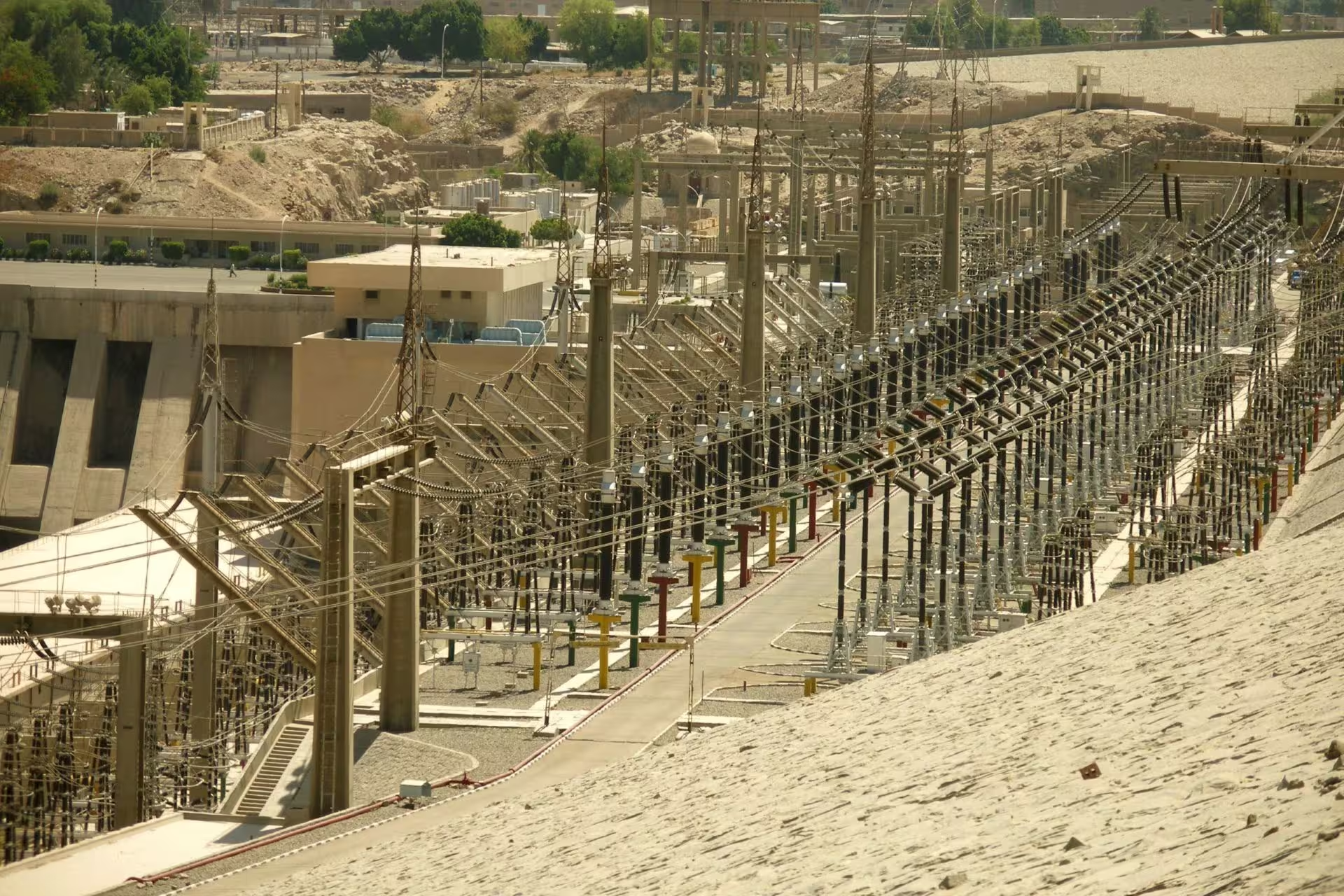
Discover Where Is Aswan Dam Located? and uncover one of Egypt’s most impressive engineering landmarks along the Nile. Just south of Aswan, this massive dam shaped modern Egypt and created the vast Lake Nasser. Many travelers visiting southern Egypt are surprised by its scale and history. In this guide, you’ll learn where the dam sits on the map, why it matters, and what visitors can see during a trip to Aswan.
What is Aswan dam?
The Aswan Dam is a massive engineering structure built across the Nile River near the city of Aswan in southern Egypt. When travelers first begin researching Where Is Aswan Dam Located?, they often discover that the term actually refers to two different dams built in the same area over time. The earlier structure is known as the Aswan Low Dam, constructed during the early 20th century when Egypt needed better control of the Nile’s seasonal floods.
The purpose of the original dam was simple but critical: regulate the Nile’s water flow and store water for agriculture during dry seasons. Before dams existed, the Nile flooded every year, sometimes helping farms but often destroying crops and villages. The Aswan Low Dam helped Egypt begin managing the river more carefully.
Later, Egypt built the much larger Aswan High Dam a few kilometers upstream. This modern dam dramatically expanded water storage and created the enormous Lake Nasser reservoir. Together, these structures changed how the Nile supports agriculture, electricity generation, and life across the country.
Today, visitors standing on the dam can see the wide stretch of Lake Nasser on one side and the flowing Nile on the other. Many travelers visiting Aswan are surprised by its size and the important role it continues to play in Egypt’s development and water management.”
What Is the Aswan High Dam?
The Aswan High Dam is one of the largest and most important engineering projects ever built in Egypt. When people talk about modern Nile water control, they are usually referring to this massive structure located just south of the city of Aswan. A key part of Aswan Dam History, the dam was constructed in the 1960s to manage the Nile’s flooding, produce electricity, and provide reliable irrigation water for millions of Egyptians.
Before the High Dam existed, Egypt depended heavily on the natural cycle of the Nile. Some years the floods were generous, helping farms grow crops, while other years brought drought or destructive floods. The High Dam changed that pattern by allowing Egypt to regulate water flow throughout the entire year.
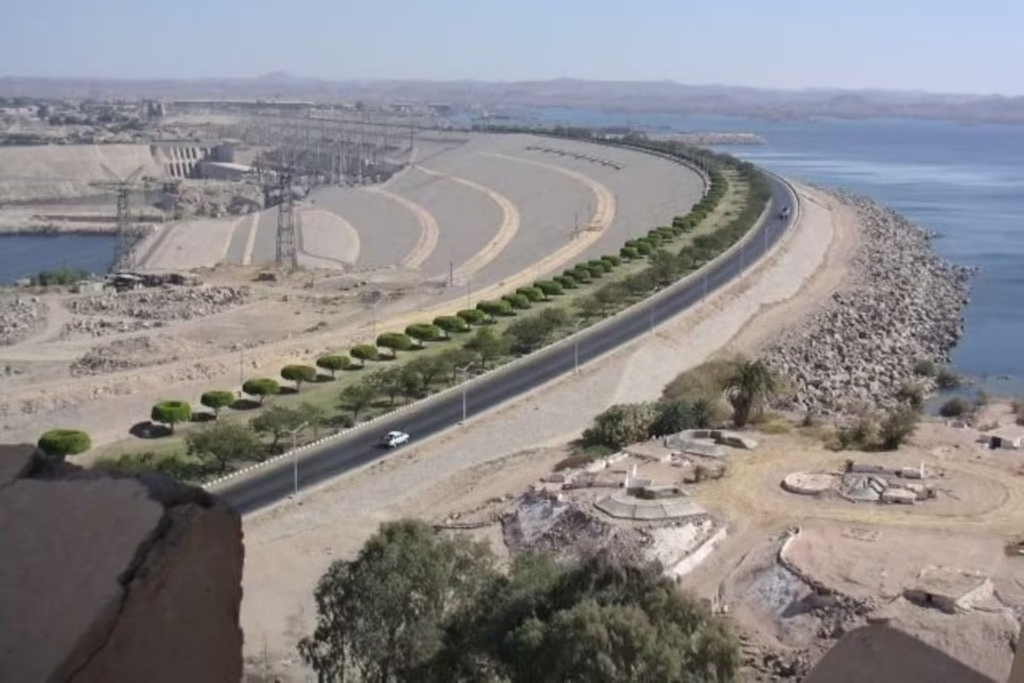
Stretching more than 3 kilometers across the Nile, the dam created Lake Nasser, one of the largest artificial lakes in the world. Standing on top of the structure today, visitors can see the vast blue waters of the reservoir on one side and the controlled flow of the Nile continuing north toward cities like Luxor and Cairo.
Beyond water management, the dam also produces hydroelectric power that helped support Egypt’s industrial growth. Because of this, the project became a defining chapter in modern Egyptian development and remains one of the country’s most significant landmarks.”
The Story Behind the Aswan High Dam
The story of the Aswan High Dam begins with Egypt’s long struggle to control the powerful Nile River. For centuries the river brought life to the land, but its annual floods could also destroy farms and villages. By the mid-20th century, Egyptian leaders realized that a larger and more advanced dam was needed to regulate water, produce electricity, and support a growing population.
Construction of the High Dam started in the 1960s during a time of major political and economic change in Egypt. Engineers, workers, and international experts collaborated on a project that would become one of the largest dams in the world. The goal was not only to prevent floods but also to store massive amounts of water for irrigation and create reliable hydroelectric power for the country.
One interesting detail many travelers notice is how the dam transformed the surrounding landscape. The project created Lake Nasser, one of the largest artificial lakes on Earth. Entire archaeological sites and ancient temples had to be relocated to protect them from rising water levels.
Today, visitors often hear this fascinating history while standing on the dam itself during a guided visit such as the High Dam Aswan tour, where guides explain how this modern structure reshaped Egypt’s relationship with the Nile and changed life across the country.”
Egypt struggles to build the dam
Before the project finally moved forward, Egypt faced many political and financial obstacles while trying to control the Nile. When people ask Where Is Aswan Dam Located?, they often learn that the real story is not only about geography but also about a long national struggle to build a structure strong enough to manage the river. For decades, Egypt needed a solution to flooding, drought years, and the growing demand for electricity.
In the 1950s, plans for the aswan high dam became a major national priority. President Gamal Abdel Nasser pushed the project forward, hoping it would transform Egypt’s agriculture and energy supply. However, funding the massive construction proved difficult. At first, Egypt sought financial support from Western countries and international organizations, but political tensions during the Cold War complicated negotiations.
Eventually, Egypt turned to the Soviet Union for technical support and funding. This partnership allowed the project to move ahead, and construction officially began in 1960. Thousands of Egyptian workers and engineers participated in what became one of the largest infrastructure projects in the region.
Standing at the dam today, it is hard to imagine the challenges Egypt faced during its construction. Yet the success of the aswan high dam not only controlled the Nile’s powerful floods but also became a symbol of modern Egyptian independence and development.”
The series events that preceded the construction of the Aswan Dam
Long before the massive dam was built, Egypt faced a constant challenge: controlling the unpredictable flooding of the Nile River. For thousands of years the river determined when farmers could plant crops, but its floods could also destroy villages and farmland. During the late 19th and early 20th centuries, Egyptian leaders and engineers began searching for ways to manage the river more effectively.
The first major step was the construction of the Aswan Low Dam in 1902. Although it helped regulate water flow, it quickly became clear that it could not store enough water for Egypt’s growing population and expanding agriculture. Over time the dam was raised twice to increase its capacity, but the solution was still limited.
By the mid-20th century, Egypt needed a larger project that could provide year-round irrigation, control floods, and generate electricity for modern development. Political changes, international negotiations, and engineering studies all played a role in shaping the plan that eventually led to the construction of the Aswan High Dam.
Today, travelers exploring southern Egypt often learn about these early events while traveling between cities on an Aswan To Luxor Tour, where guides explain how managing the Nile became one of the most important challenges in Egypt’s modern history.”
Purpose Of Building The Aswan High Dam
The main purpose of building the aswan high dam was to control the powerful and unpredictable flooding of the Nile River while providing Egypt with a stable supply of water and electricity. For thousands of years, the Nile flooded every summer. Sometimes the floods helped farmers, but in other years they destroyed crops and villages or left the land too dry. Egypt needed a long-term solution to manage the river more safely.
One of the biggest goals of the project was water storage. By holding large amounts of water behind the dam in Lake Nasser, Egypt could release water gradually throughout the year. This made it possible to irrigate farmland even during dry seasons. As a result, farmers could grow crops more reliably and sometimes harvest multiple times per year.
Another major objective of the aswan high dam was generating hydroelectric power. When the dam was completed, it produced a huge amount of electricity that helped modernize Egypt. Cities expanded, industries developed, and rural areas gained access to power for the first time.
Today, the dam remains one of the most important infrastructure projects in Egypt. It supports agriculture, controls flooding, and produces energy that continues to power homes and businesses across the country. Visitors who see the dam often realize it is not just a structure—it is a key part of Egypt’s modern survival along the Nile.”
Construction of the Aswan Dam
The construction of the Aswan Dam was one of the largest engineering projects ever attempted in modern Egypt. Work on the High Dam began in 1960 and continued for more than a decade as thousands of engineers, workers, and technicians collaborated to control the powerful flow of the Nile River. Building such a massive structure required enormous amounts of stone, concrete, and advanced planning to manage both the river and the surrounding desert landscape.
The dam stretches about 3.8 kilometers across the Nile and rises over 100 meters high. During construction, temporary channels were created to redirect the river while the main wall was built. Many visitors today are surprised to learn how complex this process was, especially considering the extreme heat of southern Egypt and the scale of the materials involved.
Standing on the dam today, it is hard to imagine the enormous effort behind it. On one side lies the vast Lake Nasser reservoir, while the Nile continues north toward Luxor and Cairo on the other side. Travelers exploring Aswan often combine the visit with time on the river itself, such as a traditional Felucca Ride Aswan, which offers a peaceful way to experience the Nile that this historic project helped control.”
The geographical location of the great Aswan Dam
The great Aswan Dam sits in southern Egypt along the Nile River, just a few kilometers south of the city of Aswan near the border with Sudan. When travelers ask Where Is Aswan Dam Located?, the answer points to this narrow stretch of the Nile where engineers decided the landscape was perfect for controlling the river’s flow. The dam rises between rocky desert hills, creating one of the largest artificial lakes in the world behind it.
This strategic location was carefully chosen long before the aswan dam built in its modern form. Engineers needed a place where the river valley was relatively narrow and strong enough to support a massive concrete structure. Because of this geography, the dam could hold back enormous amounts of water while still allowing controlled releases downstream.
Standing on the dam today, visitors can clearly see two very different scenes. To the south stretches the vast waters of Lake Nasser, calm and seemingly endless across the desert horizon. To the north, the Nile continues its journey through the fertile valley toward Luxor and Cairo.
Many travelers visiting Aswan are surprised by how remote yet dramatic the location feels. Surrounded by desert landscapes and the deep blue Nile, the dam’s setting helps explain why this spot became one of the most important engineering locations in modern Egyptian history.”
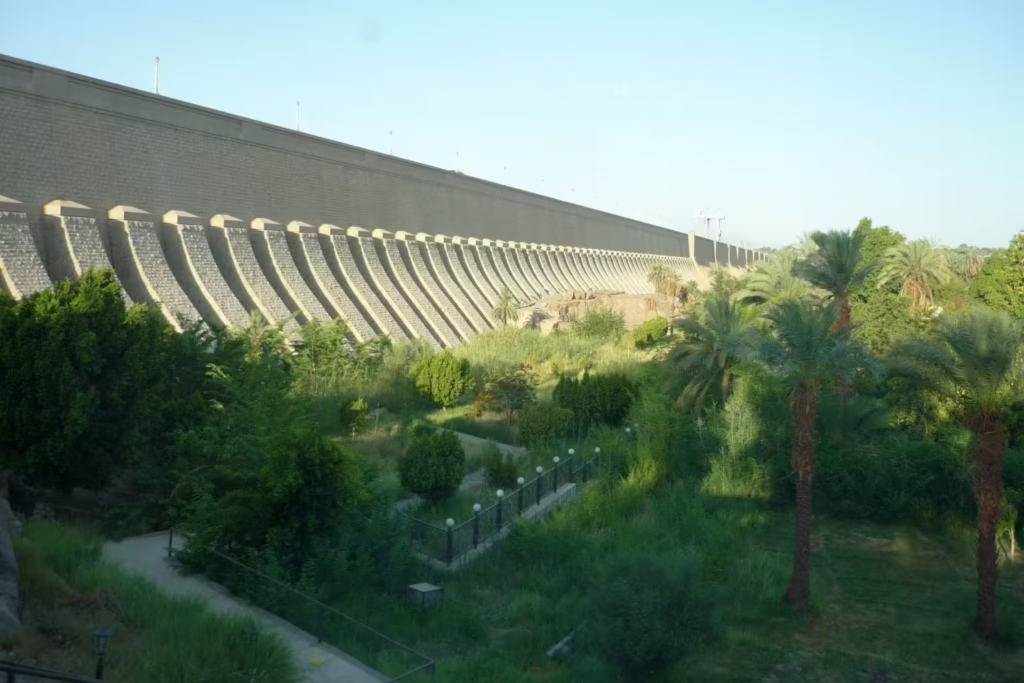
Where is Aswan Dam located?
The Aswan Dam sits in southern Egypt, just a few kilometers south of the city of Aswan along the Nile River. This strategic position allows the dam to control the flow of one of the world’s longest rivers before it continues north through Egypt toward Luxor, Cairo, and finally the Mediterranean Sea. Travelers often imagine the Nile as a calm river, but its waters once flooded unpredictably. Building the dam here gave Egypt the ability to manage those powerful seasonal floods.
The structure stands at the narrowest section of the Nile valley in this region, which made it an ideal location for such a massive engineering project. On one side of the dam stretches Lake Nasser, one of the largest artificial lakes in the world, while the river continues downstream on the other side toward ancient temples and cities.
Visitors arriving in Aswan usually reach the dam by a short drive from the city center. Many guided trips combine the visit with nearby sights, and some travelers continue their journey along the Nile afterward, often enjoying scenic river views during activities like a Felucca Ride Luxor. Standing on the dam itself offers an impressive panorama—vast desert landscapes, the immense lake behind the barrier, and the powerful Nile flowing north through Egypt’s historic heartland.”
Where is Aswan dam located on a map
On a map of Egypt, the Aswan Dam sits in the far south of the country near the city of Aswan, along the famous Nile River. The dam lies about 13 kilometers south of the city center, close to the border region between Egypt and Sudan. When travelers look closely at a map, they will notice the huge body of water stretching behind it — Lake Nasser, one of the largest artificial lakes in the world.
The modern dam was completed in the 1960s, and many visitors researching when the aswan dam built timeline began are surprised to learn that construction started in 1960 and finished in 1970. The project dramatically reshaped this part of southern Egypt. Before the dam existed, the Nile flowed freely through this region with seasonal floods that affected farming communities.
If you open a satellite map today, the difference is clear. To the north of the dam, the Nile continues its long journey through Egypt toward Luxor and Cairo. To the south, the enormous Lake Nasser stretches deep into the desert and even reaches into Sudan.
For travelers visiting Aswan, the dam is easy to locate geographically. It sits just south of Philae Temple and close to several viewpoints overlooking the reservoir, making it one of the most accessible engineering landmarks along the Nile.”
Why is the Aswan Dam important
The Aswan Dam is considered one of the most important modern projects in Egypt because it transformed how the country manages the Nile River. For thousands of years, Egyptians depended on the river’s natural floods to irrigate farmland. While the floods brought fertile soil, they were unpredictable and sometimes destructive. The dam changed that reality by allowing Egypt to control water levels throughout the year.
One of the biggest benefits is stable irrigation. Farmers can now grow crops during multiple seasons instead of relying only on the annual flood. The dam also generates hydroelectric power, providing electricity to millions of homes across Egypt. This helped support industry, infrastructure, and economic growth during the second half of the twentieth century.
Another reason the dam matters is the creation of Lake Nasser, one of the world’s largest artificial lakes. The reservoir stores enormous amounts of water, helping Egypt manage drought years and maintain a steady supply for cities and agriculture.
Travelers exploring southern Egypt often learn about this impact during excursions that continue beyond Aswan. Many visitors combine the experience with historical sites further north, especially when joining a guided Luxor West Bank Tour, where guides often explain how the Nile and its modern dams shaped both ancient and modern Egyptian life.”
The importance of the Great Dam
The Great Dam in Aswan transformed how Egypt manages the Nile and supports daily life across the country. When people research Where Is Aswan Dam Located?, they are often surprised to learn that this structure does far more than simply hold back water. It plays a central role in agriculture, electricity production, and protecting communities from destructive floods.
Before the dam existed, the Nile’s yearly floods were unpredictable. Some years brought rich soil for farming, but other years caused devastating damage. The dam created a stable water system that allows Egypt to store and release water when needed. Because of this control, farmers across the Nile Valley can irrigate their land throughout the year rather than relying only on seasonal floods.
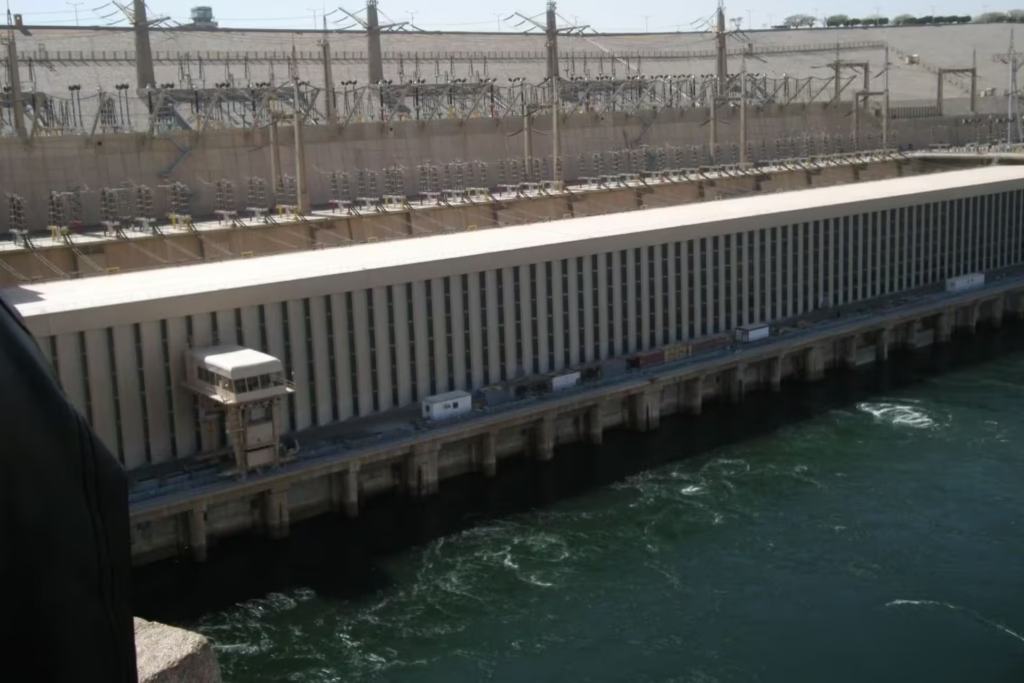
Another major benefit is electricity. The turbines inside the dam generate hydroelectric power that supports homes, industries, and cities across Egypt. This energy source became especially important during the country’s modernization in the 20th century.
Experts also connect the dam’s significance to the broader Aswan Dam History, which shows how this project symbolized national development and independence. Today, standing on the dam, visitors can look toward the vast waters of Lake Nasser on one side and the flowing Nile on the other—a powerful reminder of how this single structure reshaped modern Egypt.”
What are the benefits of the Aswan Dam?
The Aswan Dam brought major advantages to Egypt, transforming how the country manages the Nile River and supports millions of people. One of the biggest benefits is reliable water control. Before the dam, the Nile’s annual floods could either nourish farmland or destroy it. Today, the dam regulates the river’s flow, allowing water to be stored and released when farmers need it most.
Another important benefit is electricity generation. The hydroelectric power station inside the dam produces energy that helped modernize Egypt for decades. When it was first completed, the dam supplied a large portion of the country’s electricity, powering homes, factories, and growing cities.
Agriculture also improved significantly. With controlled irrigation, farmers can grow crops year-round instead of depending only on seasonal floods. This steady water supply supports millions of acres of farmland across the Nile Valley.
For travelers exploring southern Egypt, the dam is also part of a wider cultural experience. Many visitors combine a stop here with historic sites along the Nile, often continuing north to Luxor to explore temples and royal tombs during a guided Luxor Temple Tour.
Beyond engineering, the Aswan Dam represents a turning point in Egypt’s modern development. It reshaped the landscape, created Lake Nasser, and gave Egypt greater control over the river that has sustained its civilization for thousands of years.”
The Aswan High Dam and the irrigation of Egypt
One of the greatest achievements of the Aswan High Dam is how it transformed irrigation across Egypt. Before the dam existed, farmers depended heavily on the natural flooding cycle of the Nile. Some years the river brought too much water, destroying crops, while in other years drought caused serious shortages. The construction of the dam allowed Egypt to control the river and distribute water more reliably to farms across the country.
A major reason this system works is the huge reservoir created behind the dam. This reservoir stores water that can be released gradually throughout the year to support agriculture in the Nile Valley and Delta. Because of this controlled water supply, Egypt was able to expand farmland and improve food production for its growing population.
This irrigation system also plays an important role in the broader Aswan Dam History, since managing water was one of the main reasons Egypt invested in such a massive project. Today, canals connected to the Nile carry water to fields hundreds of kilometers away, helping farmers grow crops like wheat, rice, and sugarcane.
Even now, the Aswan High Dam remains essential for Egypt’s agriculture, ensuring that the Nile continues to support millions of people who depend on the river for their livelihoods.”
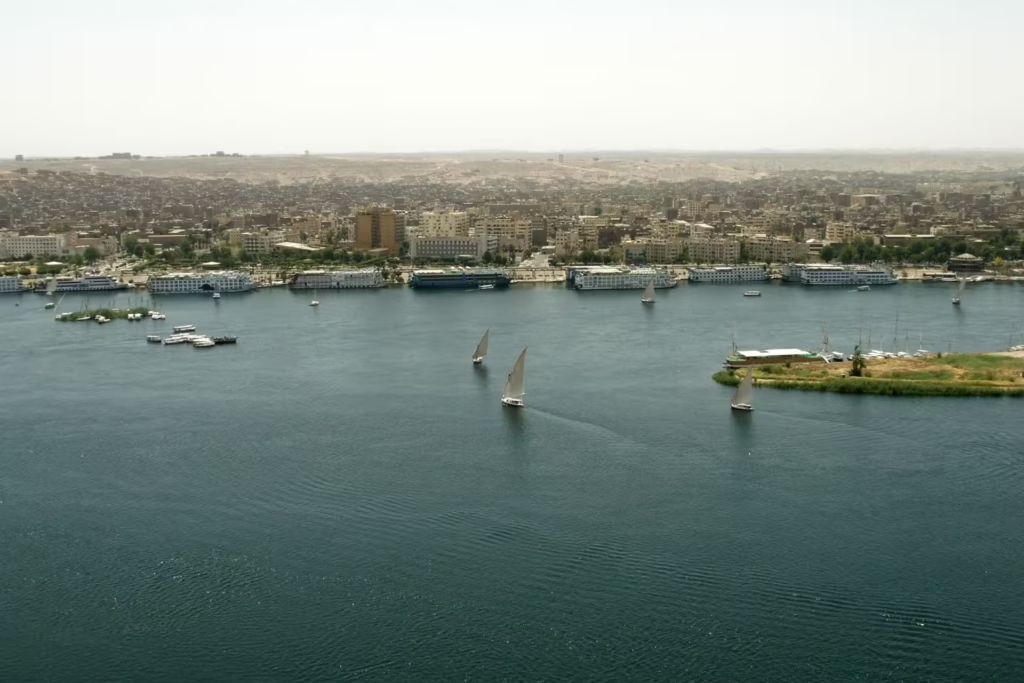
What Is Lake Nasser and Why Is It Important?
Lake Nasser is the enormous reservoir created after the construction of the Aswan High Dam on the Nile River. When people research Where Is Aswan Dam Located?, they quickly discover that the dam sits directly north of this vast artificial lake, which stretches deep into southern Egypt and even into northern Sudan.
The lake formed after the dam blocked the natural flow of the Nile, allowing water to collect behind the massive barrier. Because the aswan dam built in the 1960s was designed to control floods and store water, Lake Nasser became one of the largest man-made lakes in the world. It stretches for more than 500 kilometers and serves as a crucial water reserve for Egypt.
This reservoir plays an essential role in agriculture and daily life across the country. During dry years, water stored in Lake Nasser is released through the dam to support irrigation systems that feed farms along the Nile Valley. Without this stored water, Egypt would struggle to maintain stable food production.
Visitors traveling to Aswan often catch their first glimpse of the lake from the top of the High Dam. The view is impressive — a calm blue horizon stretching far into the desert. In fact, many travelers are surprised to learn that several ancient temples, including Abu Simbel, were relocated to higher ground before the lake filled with water.”
How Did the Aswan High Dam Change Egypt?
The construction of the dam dramatically transformed Egypt in many ways. When the aswan high dam was completed in the 1970s, it changed how the Nile River supported agriculture, electricity production, and daily life across the country.
Before the dam existed, Egypt depended on the Nile’s natural flood cycle. Some years the floods were generous and helped farmers grow crops, but other years the river caused serious damage or left fields without enough water. The High Dam allowed Egypt to control this unpredictable pattern. By regulating the flow of the Nile, the country could store water in Lake Nasser and release it when farms needed irrigation.
Another major change came through electricity generation. The hydroelectric power produced by the dam helped expand industry and bring electricity to towns and villages across Egypt. This was especially important during the mid-20th century when the country was rapidly developing.
However, the transformation also brought challenges. The natural fertile silt that once spread across farmland during floods is now trapped behind the dam. Farmers often rely more on fertilizers today than in the past.
Even so, many historians consider the aswan high dam one of modern Egypt’s most significant national projects, shaping the economy, agriculture, and infrastructure that visitors see across the country today.”
What Are the Environmental Impacts of the Aswan High Dam?
The construction of the Aswan High Dam brought enormous benefits to Egypt, but it also created several environmental changes that scientists and historians still discuss today. By controlling the Nile’s annual flooding, the dam stopped the natural flow of nutrient-rich silt that once spread across the farmland of the Nile Valley. For thousands of years this fertile sediment renewed the soil naturally, but after the dam was built, farmers began relying more on artificial fertilizers.
Another major effect is the creation of Lake Nasser, one of the largest artificial lakes in the world. While the lake provides vital water storage, it also changed local ecosystems and submerged large areas of Nubian land. In response, international teams worked to relocate ancient monuments, including the famous Abu Simbel temples.
Fish patterns in the Nile and Mediterranean Sea also shifted because the natural sediment flow decreased. Despite these environmental changes, many visitors today still come to see this massive structure while visiting the High Dam Aswan, where guides often explain how engineering, history, and environmental science all meet at this remarkable site.”
Why should tourists visit Aswan Dam?
Many travelers exploring southern Egypt eventually ask Where Is Aswan Dam Located?, especially after hearing how important it is to modern Egyptian history. Visiting the dam offers a completely different experience from temples and tombs. Instead of ancient carvings and statues, visitors see one of the most powerful engineering projects ever built along the Nile.
Standing on the dam, you can look across the immense waters of Lake Nasser on one side and the flowing Nile River on the other. The scale is impressive, and most visitors are surprised by how wide and massive the structure really is. It helps explain how Egypt controls floods, generates electricity, and manages water for millions of people.
Another interesting part of the visit is learning about the earlier Aswan Low Dam, which once attempted to control the river before the High Dam replaced its role. Guides often tell the story of how Egypt transformed the Nile through these huge projects.
For travelers visiting Aswan, the dam is often combined with nearby sights like the Philae Temple, Nubian villages, or a peaceful boat ride along the river, making it an easy and fascinating stop on any southern Egypt itinerary.”
What type of tourists will enjoy visiting Aswan Dam?
The Aswan Dam attracts a wide range of travelers, but it is especially appealing to visitors interested in history, engineering, and the story of modern Egypt. Unlike ancient temples or tombs, the dam represents a more recent chapter of Egyptian history, showing how the country reshaped the Nile to support agriculture, electricity, and development.
History lovers often enjoy visiting because the dam reflects an important moment in Egypt’s political and economic transformation during the 20th century. Guides usually explain how controlling the Nile helped Egypt reduce floods and provide water for farms across the country. Standing on top of the dam, many visitors are surprised by the vast view of Lake Nasser stretching far into the desert.
Photography enthusiasts also appreciate the location. The contrast between the huge reservoir on one side and the flowing Nile on the other creates a striking landscape rarely seen elsewhere in Egypt.
Travelers already exploring southern Egypt frequently combine the dam visit with other nearby experiences. For example, many visitors include it as part of an itinerary that continues north along the Nile during an Aswan To Luxor Tour, making the dam a fascinating stop between ancient and modern landmarks.”
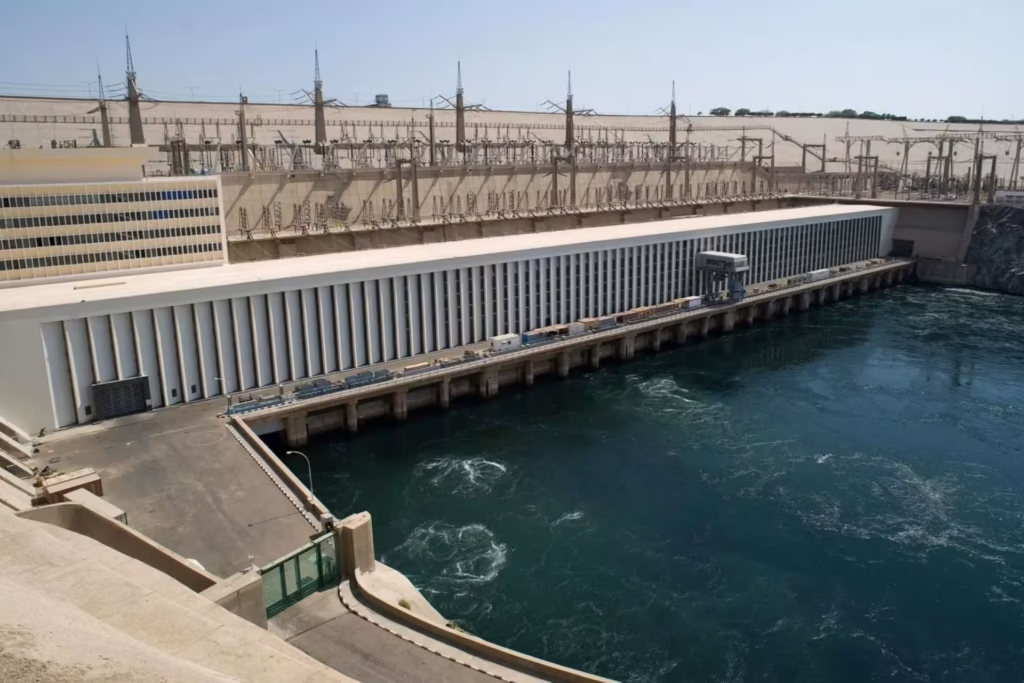
What Will I See on an Aswan High Dam Tour?
A visit to the Aswan High Dam offers more than simply standing beside a large wall of concrete. During a guided tour, visitors usually stop at several viewpoints where they can see the scale of the project and understand how it controls the Nile River.
One of the most impressive sights is Lake Nasser, the enormous reservoir created when the dam was completed. From the top of the structure, the lake stretches across the desert horizon and looks almost like an inland sea. On the opposite side, travelers can watch the Nile flowing north toward cities such as Luxor and Cairo.
Guides often explain how the dam changed Egypt’s relationship with the river. They describe the earlier Aswan Low Dam, built during the colonial period, and why it eventually became necessary to construct a much larger modern structure upstream.
Many tours also stop at the Soviet–Egyptian Friendship Monument located nearby, a reminder of the international cooperation that helped complete the project. As you stand there, the desert wind moving across the water and the vast landscape around the dam give a clear sense of how powerful and important this place is in modern Egyptian history.”
What Things to do near the Aswan High Dam
Visitors who come to see the dam often ask Where Is Aswan Dam Located?, but they quickly discover that the area around it offers several interesting experiences as well. The dam sits just south of the city of Aswan, making it easy to combine with other attractions during a day of sightseeing in southern Egypt.
One popular activity is visiting Lake Nasser, the enormous reservoir created when the Aswan Dam History changed the landscape of the Nile Valley. Standing near the dam, travelers can see the vast blue waters stretching toward Sudan, a view that surprises many first-time visitors.
Not far from the dam, the famous Philae Temple is another highlight. This beautiful temple dedicated to the goddess Isis was carefully relocated to Agilkia Island during the UNESCO rescue campaign when the High Dam project began. Many travelers visit both the dam and the temple on the same morning.
Back in Aswan city, you can relax with a traditional Nile sailing experience or explore local Nubian villages along the riverbanks. A peaceful way to enjoy the scenery is taking a short boat trip such as the Felucca Ride Aswan, where the slow sailboats glide across the calm waters of the Nile while granite islands and desert hills surround the view.”
When is the best time to visit Aswan Dam?
The best time to visit the Aswan Dam is during the cooler months between October and April, when temperatures in southern Egypt are far more comfortable for sightseeing. Aswan sits in Upper Egypt, where summer heat can become extremely intense, often exceeding 40°C (104°F). During winter and early spring, the weather is pleasant, making it easier to walk along the dam and enjoy the panoramic views of Lake Nasser and the Nile River.
Many travelers combine their visit with a broader exploration of Upper Egypt. A common route is traveling between Aswan and Luxor, where temples, tombs, and ancient monuments line the Nile Valley. Because of this, many visitors see the dam as part of a larger journey, often arranged through experiences like the Aswan To Luxor Tour, which connects some of Egypt’s most important historical sites.
Early morning is usually the ideal time of day to visit the dam. The sunlight over Lake Nasser creates beautiful views, and the temperature is still comfortable before the midday heat arrives. Guides often recommend arriving before noon so travelers can enjoy the scenery, learn about the dam’s construction, and take photos without the stronger afternoon sun.
Even today, the dam remains one of the most impressive modern landmarks visitors encounter in southern Egypt.”
How much does it cost to visit Aswan Dam?
Visiting the Aswan High Dam is generally affordable, and for most travelers it is included as part of a guided sightseeing itinerary in southern Egypt. The cost itself is relatively small compared with many ancient temple sites. When exploring Aswan Dam History, visitors often combine the dam visit with nearby attractions such as the Unfinished Obelisk and the beautiful Philae Temple, making it part of a half-day or full-day tour.
For independent travelers, the entrance ticket to the dam area is usually inexpensive, often only a few dollars. However, many tourists choose to visit with a guide or as part of a private tour because guides explain the historical background, engineering challenges, and how the dam transformed modern Egypt. Hearing these details while standing above the Nile adds much more meaning to the visit.
In many itineraries, the dam stop is also paired with other experiences around Aswan and Upper Egypt. Some travelers continue their journey north to explore ancient temples with a guided Luxor Temple Tour, which allows visitors to connect Egypt’s modern engineering achievements with its remarkable ancient history.
Overall, the visit is short but memorable. Most travelers say the real value comes from understanding the dam’s role in Egypt’s development and seeing the vast Lake Nasser stretching across the desert beyond the structure.”
What time does Aswan Dam open? Which days is it open?
Visitors planning a trip often ask Where Is Aswan Dam Located?, but another common question is about visiting hours and access. The famous aswan high dam is generally open to tourists every day of the week, including weekends and most public holidays. Most guided tours arrive during the morning or early afternoon, when visibility across the Nile and Lake Nasser is clear and the desert heat is more manageable.
In most cases, the site opens around 8:00 AM and closes around 5:00 PM, though times can vary slightly depending on the season or security arrangements. Because the dam is an important national infrastructure project, security checkpoints are normal. Tour buses and private vehicles usually stop briefly for inspection before entering the viewing area.
Many travelers visit the dam as part of a half-day tour from Aswan. Guides typically combine the stop with nearby attractions such as the Unfinished Obelisk or the Temple of Philae. Standing on top of the aswan high dam, visitors can look north toward the Nile flowing through Aswan and south toward the vast waters of Lake Nasser.
Early morning visits are usually the most comfortable. The light over the lake is beautiful, the air is cooler, and the views of the surrounding desert landscape feel especially dramatic.”
How Long Does an Aswan High Dam Visit Take?
Most travelers spend about one to two hours visiting the Aswan High Dam. The site itself is impressive but relatively compact, so visitors usually stop here as part of a broader sightseeing day in Aswan rather than spending an entire afternoon at the dam.
When you arrive, guides typically take a few minutes to explain how the dam controls the Nile River and how the massive Lake Nasser was formed behind it. Standing on the top of the structure, you can look across the wide reservoir on one side and the flowing Nile on the other. Many visitors are surprised by the scale of the landscape, especially the calm waters stretching far toward Sudan.
A typical visit includes time for photos, short walks along the viewing areas, and learning about the construction of the dam in the 1960s. Because the stop is fairly quick, it’s often combined with nearby activities in Aswan.
For example, many travelers pair their dam visit with a relaxing Felucca Ride Aswan, which offers a peaceful sail along the Nile after exploring the modern engineering landmark. This combination gives visitors a balanced experience—seeing both Egypt’s modern achievements and the timeless beauty of the river that shaped the country’s history.”
How to get to the Aswan High Dam
Reaching the famous dam is quite easy once you are in Aswan. The aswan high dam sits about 13 kilometers south of the city center, making it one of the most accessible landmarks in southern Egypt. Most travelers visit it as part of a guided tour, but it is also possible to reach the area by taxi or private car within about 20–25 minutes.
Many visitors start their journey from central Aswan near the Nile Corniche or from hotels on Elephantine Island. From there, the road heads south toward the massive structure that stretches across the Nile. As you approach, the landscape begins to change. The river widens, desert hills appear, and security checkpoints mark the entrance to one of Egypt’s most important engineering sites.
Guided tours are the most common way to visit because they usually combine several nearby attractions. Travelers often pair the dam with stops at the Unfinished Obelisk or Philae Temple, creating a full day exploring Aswan’s highlights.
Another relaxing option after visiting the dam is spending time on the Nile itself. Many travelers like to end their day with a peaceful Felucca Ride Aswan, watching traditional sailboats drift along the river while the desert hills turn golden at sunset. It’s a beautiful contrast to the powerful modern structure of the dam just upstream.”
Is the Aswan High Dam near Luxor?
Many travelers planning their trip through southern Egypt often wonder Where Is Aswan Dam Located? and whether it sits close to Luxor. The short answer is no—the Aswan High Dam is not in Luxor, but it is relatively nearby within Upper Egypt. The dam stands just south of the city of Aswan, while Luxor lies about 220 kilometers (around 3–4 hours by road) to the north along the Nile Valley.
Even though they are separate destinations, many visitors combine both places in one travel itinerary. Luxor is famous for ancient sites such as Karnak Temple, the Valley of the Kings, and Luxor Temple, while Aswan offers a different experience with Nubian culture, river islands, and the enormous aswan dam built across the Nile in the 20th century.
Traveling between the two cities is actually quite popular. Some tourists go by car or train, while others enjoy a multi-day Nile cruise that slowly sails between Luxor and Aswan, stopping at temples like Edfu and Kom Ombo along the way.
Because of this close connection, many travelers explore Luxor’s pharaonic monuments first and then continue south to Aswan to see the famous dam, Lake Nasser, and the dramatic landscape where modern engineering meets the ancient Nile.”
How safe is it to visit Aswan Dam?
Visiting the Aswan Dam is generally very safe for travelers. The area is considered a protected national infrastructure site, which means security is present and access is carefully managed. Tourists usually arrive as part of organized visits, and many include the stop during activities such as a relaxing Felucca Ride Luxor, which often forms part of broader Nile travel itineraries between Upper Egypt’s historic cities.
When you approach the dam, you will typically pass through a small security checkpoint before reaching the viewing areas. This is normal across many important landmarks in Egypt and helps ensure that visitors can explore safely. Once inside, the environment feels calm and open, with wide viewpoints overlooking Lake Nasser on one side and the Nile River stretching north toward the temples of Upper Egypt.
Most visitors spend their time taking photos, listening to guides explain the dam’s construction, and enjoying the impressive views. The site is not crowded like major temples in Luxor or Cairo, which often surprises travelers.
Local guides also keep groups organized and explain where visitors are allowed to walk. As long as you follow instructions and stay within the public areas, the visit is straightforward, secure, and enjoyable for travelers exploring southern Egypt.”
What is the recommended dress code for visiting Aswan Dam?
Visiting the Aswan High Dam is generally relaxed, but travelers should still dress comfortably and respectfully for the climate and location. Since the dam sits in open desert surroundings near the Nile, lightweight clothing is usually the best choice. Temperatures in Aswan can be very high, especially from late spring through early autumn, so breathable fabrics, sunglasses, and a hat can make the visit much more comfortable.
Although the dam itself is not a religious site, Egypt is a culturally conservative country. Wearing modest clothing is recommended, particularly if you plan to continue exploring nearby attractions in Aswan afterward. Many visitors choose light trousers, long shorts, or skirts, along with short-sleeve shirts. Comfortable walking shoes are also important because the viewing areas along the dam can involve short walks.
One interesting detail many travelers notice is that the aswan dam built area includes security checkpoints and official viewpoints. Because of this, visitors often pass through controlled entry points where neat and practical clothing is preferred.
Early mornings and late afternoons are popular visiting times when the heat is lower and the views over Lake Nasser and the Nile are especially impressive. With simple, comfortable clothing, most travelers find the visit easy and enjoyable.”
What is the recommended level of fitness to visit Aswan Dam?
Visiting the Aswan High Dam does not require intense physical effort, so most travelers can comfortably include it in their itinerary. If you are planning a trip and wondering Where Is Aswan Dam Located?, you’ll discover it sits just south of the city of Aswan and is easily accessible by road. The visit itself usually involves light walking, standing at viewpoints, and occasionally climbing a few steps to enjoy panoramic views of Lake Nasser and the Nile River.
The terrain around the dam is generally flat and well maintained, making it suitable for visitors of almost all fitness levels. Families, senior travelers, and casual tourists typically find the experience easy to manage. Because of this, many guided tours include the dam as a quick stop while exploring southern Egypt.
One thing to keep in mind is the climate. Aswan is known for its warm, dry weather, so walking under the sun can feel tiring during midday. Wearing comfortable shoes, carrying water, and visiting earlier in the morning can make the experience much more pleasant.
The importance of the dam built here also means visitors often spend time reading the monuments, viewing the turbines area from above, and admiring the enormous scale of the structure that controls one of the world’s most famous rivers.”
Tips for Visiting the Aswan Dam
Visiting the Aswan High Dam is usually a short stop during a trip to southern Egypt, but a few simple tips can make the experience much more enjoyable. The dam sits just south of the city of Aswan, and most travelers reach it as part of a guided excursion that also includes nearby sites along the Nile.
First, try to visit early in the morning. The sun in Aswan can be very strong, especially in summer, and the dam area is open with little shade. Comfortable walking shoes are helpful too, since visitors often walk across viewpoints that overlook Lake Nasser on one side and the Nile River on the other.
Many travelers combine the visit with other famous attractions in the region. For example, after seeing the dam, some tours continue north toward Luxor where ancient temples and royal tombs await. A popular option is the Luxor West Bank Tour, where visitors explore the Valley of the Kings, the Temple of Hatshepsut, and impressive pharaonic tombs carved deep into the cliffs.
Another useful tip is to bring a camera. From the top of the dam you can see the immense scale of Lake Nasser stretching toward Sudan. The view helps visitors understand how this modern structure transformed Egypt’s relationship with the Nile and reshaped the landscape of the entire region.”
What is the history of Aswan Dam?
The history of the dam becomes clearer when travelers start asking Where Is Aswan Dam Located?, because its story is closely tied to the Nile River and Egypt’s long struggle to control its waters. The modern structure most visitors see today is the High Dam, but the story actually begins decades earlier with the first dam built by the British in 1902 near the city of Aswan.
This early structure was designed to regulate the Nile’s annual floods and store water for agriculture. However, Egypt’s population and farming needs continued to grow rapidly. As a result, the government began planning a much larger project that could provide long-term water storage and electricity for the entire country.
Construction of the High Dam began in the 1960s and completely transformed the region. When the dam was finished, the huge reservoir known as Lake Nasser was created behind it. This project allowed Egypt to store water for dry years, control flooding, and produce large amounts of hydroelectric power.
Understanding this Aswan Dam History helps visitors appreciate why the dam is considered one of the most important modern landmarks in Egypt. Today, many travelers exploring southern Egypt combine a visit to the dam with nearby attractions, including temples, islands on the Nile, and guided trips that continue north toward Luxor.”