Ancient Egyptian Food and Cuisine reveals a fascinating side of Egypt that many travelers overlook. Beyond pyramids and temples, food was central to life along the Nile, connecting people to nature, culture, and belief. One interesting thing is how many of these traditions still exist today. As you explore Egypt, this guide helps you understand ancient dishes, ingredients, and where you might taste echoes of the past.
A Historical Feast: The Origins of Egyptian Cuisine
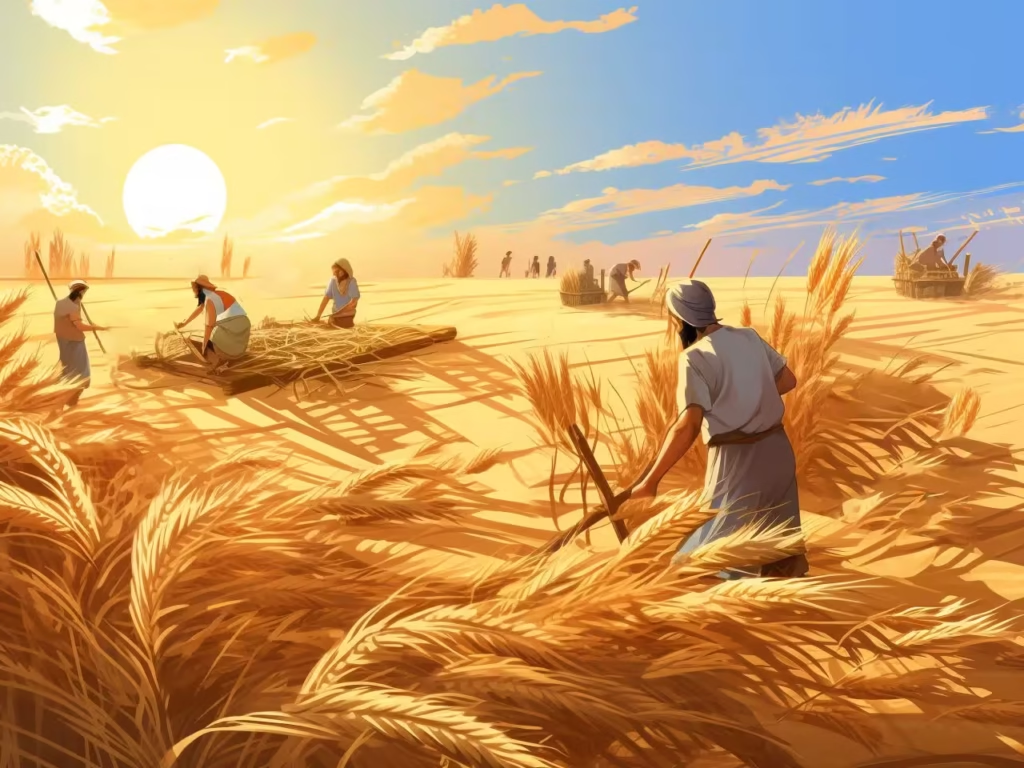
Ancient Egyptian Food and Cuisine began thousands of years ago along the fertile banks of the Nile, where life depended on the rhythm of the river. Early Egyptians learned to grow crops like wheat and barley, which quickly became the foundation of their daily meals. Bread and beer were not just food—they were essential to survival and even used as payment for workers building temples and pyramids.
What makes this history fascinating is how closely food was tied to nature. The annual flooding of the Nile brought rich soil, allowing farmers to cultivate vegetables, fruits, and grains with remarkable success. Over time, Egyptians developed simple yet effective cooking methods, using clay ovens and open fires. Herbs and spices were added not only for flavor but sometimes for preservation.
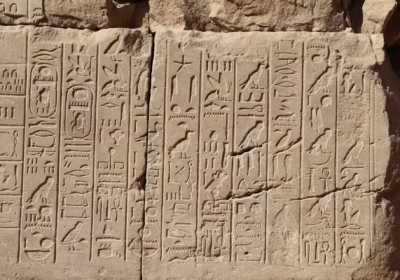
When you walk through ancient sites in Luxor or Saqqara, you can still see carvings of food preparation on tomb walls. These scenes show fishing, baking, and harvesting—clear evidence that food was central to everyday life. Historians believe that these early traditions shaped Egyptian culture deeply, influencing not only diet but also social and religious practices that travelers can still sense in Egypt today.
The Foundation of Ancient Egyptian Cuisine
The base of Egyptian cooking in ancient times was simple, natural, and deeply connected to the Nile. Fertile soil and predictable flooding allowed people to grow essential crops like wheat and barley, which formed the backbone of daily meals. Bread and beer were not luxuries—they were everyday staples eaten by both workers and nobility.
Vegetables such as onions, garlic, and lentils were widely used, adding flavor and nutrition to otherwise basic dishes. Many travelers are surprised to learn how balanced this diet was, relying on grains, legumes, and seasonal produce. Even today, some of these ingredients remain central to Egyptian cuisine.
Life along the Nile shaped everything. Farmers worked the land, fishermen supplied fresh catch, and families prepared meals using clay ovens and simple tools. If you find yourself sailing the Nile on a Felucca Ride Luxor, it’s easy to imagine how these traditions began—watching the same river that sustained ancient kitchens thousands of years ago.
This strong agricultural foundation is what made Egyptian cuisine both sustainable and enduring, influencing food culture for generations.
Why Ancient Egyptian Food and Cuisine Still Fascinates Travelers Today
There is something timeless about Ancient Egyptian Food and Cuisine that continues to capture the curiosity of modern travelers. It’s not just about what people ate thousands of years ago—it’s about how closely those traditions are still felt today. Many visitors are surprised to discover that simple foods like bread, beans, and dates remain part of everyday life in Egypt.
Walking through local markets in Cairo or sitting in a small restaurant in Luxor, you can sense echoes of the past in every bite. Historians believe this continuity comes from Egypt’s stable environment along the Nile, where food habits changed very little over centuries. This deep connection between history and daily life makes the experience feel authentic rather than recreated.
Travelers often explore this culinary heritage while visiting historical sites. During Day Trips from Sharm El Sheikh to Cairo, for example, you can move from ancient tombs and temple carvings to lively streets where traditional dishes are still served.
This blend of past and present is what makes Egyptian cuisine so fascinating—it is not frozen in history, but still alive, evolving, and deeply rooted in the culture visitors come to explore.
What Pharaohs Ate: A Journey Through the Ancient Egyptian Food List
Pharaohs enjoyed a far richer and more varied diet than ordinary people, offering a fascinating glimpse into Ancient Egyptian Food and Cuisine at its most luxurious level. While common workers relied on bread, beer, and vegetables, royal tables included fine meats, fresh fruits, and delicacies prepared with care.
Records from tomb paintings and temple walls show that pharaohs consumed beef, duck, and goose, often roasted or stewed with herbs. Fish from the Nile was also common, though some species were considered sacred and avoided. One interesting detail is the use of honey, which added sweetness to both food and drinks, making it a prized ingredient in royal kitchens.
Fruits such as figs, dates, and grapes were regularly served, sometimes arranged in elaborate displays. Inside tombs in Luxor and the Valley of the Kings, you can still see carvings of these offerings, carefully prepared for the afterlife. Historians believe that food was not only nourishment but also a symbol of power, wealth, and divine connection.
This royal menu shows how food reflected status in ancient Egypt—simple for most, but refined and abundant for those who ruled the land.

What Did Ancient Egyptians Eat: Ancient Egyptian Food List
Daily meals in ancient Egypt were simple, filling, and closely tied to the land. Most people relied on bread and beer as the core of their diet, often accompanied by vegetables like onions, garlic, and lentils. These foods were easy to grow along the Nile and provided the energy needed for long working days.
Fish was another common part of the diet, especially for those living near the river. It could be eaten fresh, dried, or salted. Wealthier Egyptians had access to more variety, including meat such as beef, goat, and poultry, along with fruits like dates, figs, and grapes. Honey was sometimes used to sweeten dishes, adding a rare touch of luxury.
Many of these foods are depicted in tomb paintings, showing baskets of bread, jars of beer, and piles of fresh produce prepared for both daily life and the afterlife. If you visit a Nubian Village Tour, you can still experience meals inspired by these traditions, where simple ingredients are turned into rich, flavorful dishes.
This food list reflects a balanced and resourceful way of living, shaped by nature and refined over centuries along the Nile.
What were the staple foods in ancient Egypt?
The foundation of Ancient Egyptian Food and Cuisine was built on a few essential staples that sustained the entire population. Bread and beer were the most important, consumed daily by both rich and poor. Made from wheat and barley grown along the Nile, these two items were not just food—they were a way of life.
Alongside them, vegetables like onions, garlic, and leeks played a major role. These were easy to grow and added flavor and nutrition to simple meals. Lentils and beans were also widely eaten, providing protein for those who rarely had access to meat. Most travelers don’t realize how balanced this diet actually was, relying heavily on plant-based ingredients.
Fish from the Nile was another common staple, especially for communities living near the riverbanks. It could be grilled, dried, or salted for later use. Fruits such as dates and figs were often eaten as snacks or used to sweeten meals naturally.
If you walk through temple carvings in places like Luxor, you’ll see detailed scenes of bread-making and food preparation. These images show just how central these staples were—simple, reliable, and deeply connected to the rhythms of the Nile.
Key Ingredients of Egyptian Cuisine
At the heart of Egyptian cooking were fresh, natural ingredients shaped by the Nile’s fertile land. Grains like wheat and barley formed the base, while vegetables such as onions, garlic, and leeks added depth and flavor to everyday meals. These ingredients were not chosen randomly—they were practical, widely available, and perfectly suited to the environment.
Legumes, including lentils and chickpeas, were another essential part of the diet, offering a reliable source of protein. Herbs and simple seasonings enhanced dishes without overpowering them. One interesting thing is how ancient Egyptians relied on what the land provided, creating a cuisine that was both sustainable and rich in nutrients.
Fruits like dates, figs, and grapes brought natural sweetness, often enjoyed fresh or dried. Even today, these ingredients remain central to Egyptian kitchens. As you sail along the Nile on a Felucca Ride Aswan, you can still see the same green fields where many of these foods have been cultivated for thousands of years.
This strong connection between land and ingredients is what gave Egyptian cuisine its lasting identity—simple, flavorful, and deeply rooted in nature.

Learn About Ancient Egyptian Food Sources
Food in ancient Egypt came directly from the natural environment, especially the Nile, which was the lifeline of the entire civilization. Ancient Egyptian Food and Cuisine depended heavily on farming, fishing, and animal husbandry, all working together to provide a stable food supply throughout the year.
The annual flooding of the Nile created rich soil, allowing crops like wheat, barley, and vegetables to grow in abundance. Farmers carefully planned their seasons around this cycle, making agriculture both predictable and highly productive. At the same time, the river itself provided fish, which became a reliable and accessible food source for many communities.
Livestock such as cattle, goats, and poultry were also raised, though meat was usually reserved for wealthier households or special occasions. Wild resources, including birds and plants from marshlands, added even more variety to the diet. Historians believe that this combination of sources helped create one of the most stable food systems in the ancient world.
If you explore Egypt today, you can still see this connection between land and food, especially in rural areas where traditions continue much like they did thousands of years ago.
Enjoy the Marvelous Fruits and Vegetables in Ancient Egyptian Food
Fruits and vegetables played a vibrant role in daily meals, adding color, flavor, and nutrition to ancient Egyptian diets. Common choices included onions, garlic, lettuce, cucumbers, and leeks—simple ingredients that were easy to grow along the Nile’s fertile banks. These foods were not just practical; they were essential for maintaining health in a warm climate.
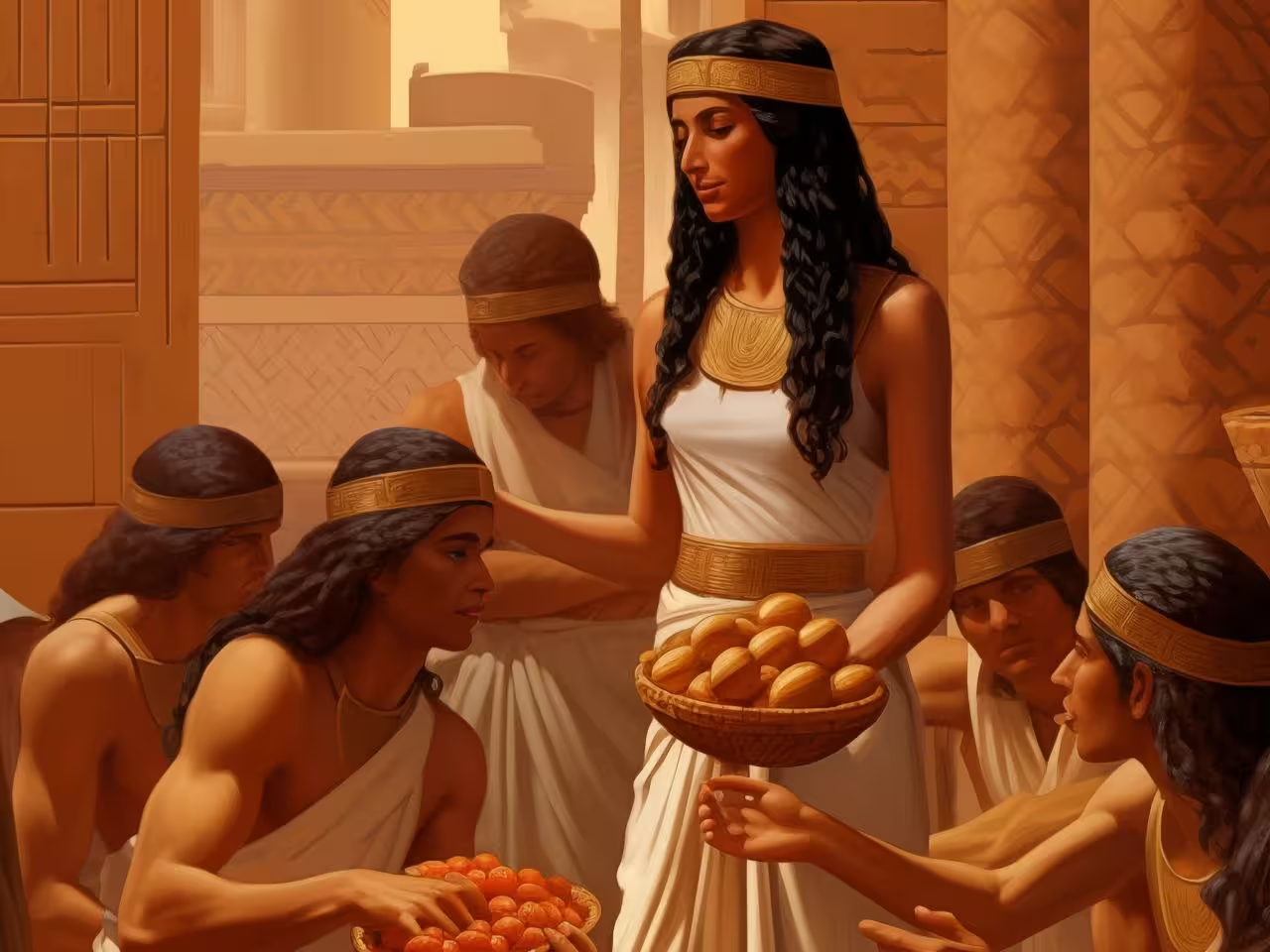
Fruits brought natural sweetness to the table. Dates, figs, grapes, and pomegranates were widely enjoyed, often eaten fresh or dried for later use. Many visitors are surprised to learn how similar some of these ingredients are to what you find in Egypt today. In fact, these crops have been cultivated for thousands of years with very little change.
Temple carvings and tomb paintings frequently show baskets filled with produce, highlighting their importance in both daily life and religious offerings. As you walk along the ancient paths during the Avenue of Sphinxes Tour, it’s easy to imagine these same fruits and vegetables being prepared for meals or presented in rituals.
This rich variety made ancient Egyptian cuisine both nourishing and naturally flavorful, rooted in the gifts of the land.
What fruits and vegetables did ancient Egyptians eat?
Fruits and vegetables were a daily part of meals, forming a colorful and nutritious layer within Ancient Egyptian Food and Cuisine. People relied on what grew easily along the Nile, which meant fresh, seasonal produce was always available.
Vegetables such as onions, garlic, leeks, lettuce, and cucumbers were commonly eaten. These were often consumed raw, added to simple dishes, or used to flavor bread-based meals. Onions and garlic, in particular, were highly valued—not only for taste but also for their believed health benefits.
Fruits added natural sweetness and variety. Dates and figs were among the most popular, often dried for storage and eaten throughout the year. Grapes were enjoyed fresh and also used in early forms of juice. Pomegranates, sycamore figs, and melons were also part of the diet, especially among wealthier families.
Many of these foods are illustrated in tombs across Luxor and Saqqara, where baskets of produce were painted as offerings for the afterlife. Even today, walking through Egyptian markets, you’ll recognize many of the same fruits and vegetables still shaping the country’s cuisine.
Where Did the Meat in Ancient Egypt Come From
Meat in ancient Egypt came from a mix of domesticated animals, hunting, and fishing, but it was not eaten equally by everyone. Cattle, goats, sheep, and poultry such as ducks and geese were the main sources, typically raised near villages along the Nile. However, meat was often a luxury, more common among the wealthy or during special occasions.
For most people, fish was the more accessible option. The Nile provided an abundant supply, making it a regular part of the diet. Fish could be grilled, dried, or salted for preservation. In contrast, beef and other red meats were usually reserved for temple offerings or elite households.
Hunting also played a role, especially in marshlands where birds were caught using nets or thrown sticks. These scenes are beautifully illustrated in tomb paintings, giving us a clear picture of how food was gathered. During a Nubian Village Tour, you can still experience traditional meals where grilled meats and fresh fish reflect these ancient practices.
This combination of farming, fishing, and hunting ensured that meat, while limited for many, remained an important part of the ancient Egyptian food system.
Did ancient Egyptians eat meat regularly?
Meat was not an everyday food for most people in Ancient Egyptian Food and Cuisine. While it was available, it was typically reserved for special occasions, religious offerings, or the tables of the wealthy. Ordinary workers and farmers mainly relied on bread, vegetables, and legumes, with meat appearing only occasionally.
Cattle, goats, and sheep were raised, but they were valuable animals, often used for labor or milk rather than frequent consumption. Poultry like ducks and geese were more common, yet still not eaten daily by the majority. Fish, on the other hand, was far more accessible and served as a regular source of protein, especially for those living near the Nile.
Many tomb scenes in places like Saqqara and the Valley of the Kings show animals being prepared for feasts or offerings to the gods. This suggests that meat held symbolic importance as well as nutritional value. Historians believe that when meat was consumed, it often marked a celebration or a moment of importance.
So while meat was certainly part of the diet, it was not a daily staple for most ancient Egyptians.
Taste the Tasty Drinks in Ancient Egypt
Drinks in ancient Egypt were simple, refreshing, and essential to daily life in a warm climate. The most common beverage was beer, made from barley and lightly fermented, providing both hydration and nutrition. It was consumed by everyone—from workers building temples to members of the royal court.
Another widely enjoyed drink was water from the Nile, although it was often filtered or stored in clay jars to improve its quality. Wealthier Egyptians also had access to wine, usually made from grapes and sometimes flavored with herbs. These drinks were not only for enjoyment but also played a role in social and religious practices.
Interestingly, some natural sweet treats were closely linked to what we now think of as Ancient Egyptian desserts. Dates, figs, and honey were sometimes mixed into drinks, creating early versions of sweet beverages that added variety to the diet.
If you explore temple carvings or tomb paintings in Luxor, you’ll often see scenes of people drinking and offering beverages to the gods. These images reveal how drinks were more than just daily refreshment—they were part of culture, celebration, and belief.
Beverages and Ancient Egyptian Brewing Practices
Brewing in ancient Egypt was a skilled and essential process, closely tied to daily survival and social life. In Ancient Egyptian Food and Cuisine, beer was not just a drink—it was a staple produced in homes and large workshops using barley and emmer wheat. The process involved baking bread-like loaves, soaking them in water, and allowing natural fermentation to create a thick, nutritious beverage.
Wine production also developed, especially among wealthier classes. Grapes were harvested, pressed, and stored in jars, sometimes labeled with details about origin and quality. Historians believe this early system reflected a surprisingly organized approach to food and drink production.
Many travelers are fascinated to see how detailed these processes are in tomb paintings. Inside sites like Saqqara, you can observe scenes of brewing, pouring, and storing drinks, showing that these practices were both common and culturally important. Even today, guides often point out these carvings to explain how ancient people managed food preparation.
These brewing traditions highlight the innovation of ancient Egyptians, turning simple ingredients into essential drinks that supported both daily life and ceremonial rituals.
How Cooking in Ancient Egypt Took Place
Cooking in ancient Egypt was a practical and community-centered activity, shaped by simple tools and natural resources. Most meals were prepared outdoors or in open kitchens using clay ovens and basic hearths. Bread was baked in conical molds, while stews and grains were cooked in pottery pots over open flames.
Fuel came from materials like wood, dried reeds, or even animal dung, depending on what was available. The process may seem basic, but it was highly efficient. Women and servants often handled food preparation, grinding grain into flour, kneading dough, and managing cooking fires throughout the day.
One interesting detail is how closely cooking was connected to daily routines and environment. In many cases, meals were prepared fresh and eaten quickly, especially in warmer regions. Drinks also played a role during cooking, with Ancient Egypt drinks like beer often consumed alongside meals or even used in food preparation.
If you explore ancient homes or museum displays, you’ll notice how little has changed in some rural Egyptian kitchens today. This continuity shows how effective and adaptable these early cooking methods truly were.
Cooking and Food Preparation in Ancient Egypt
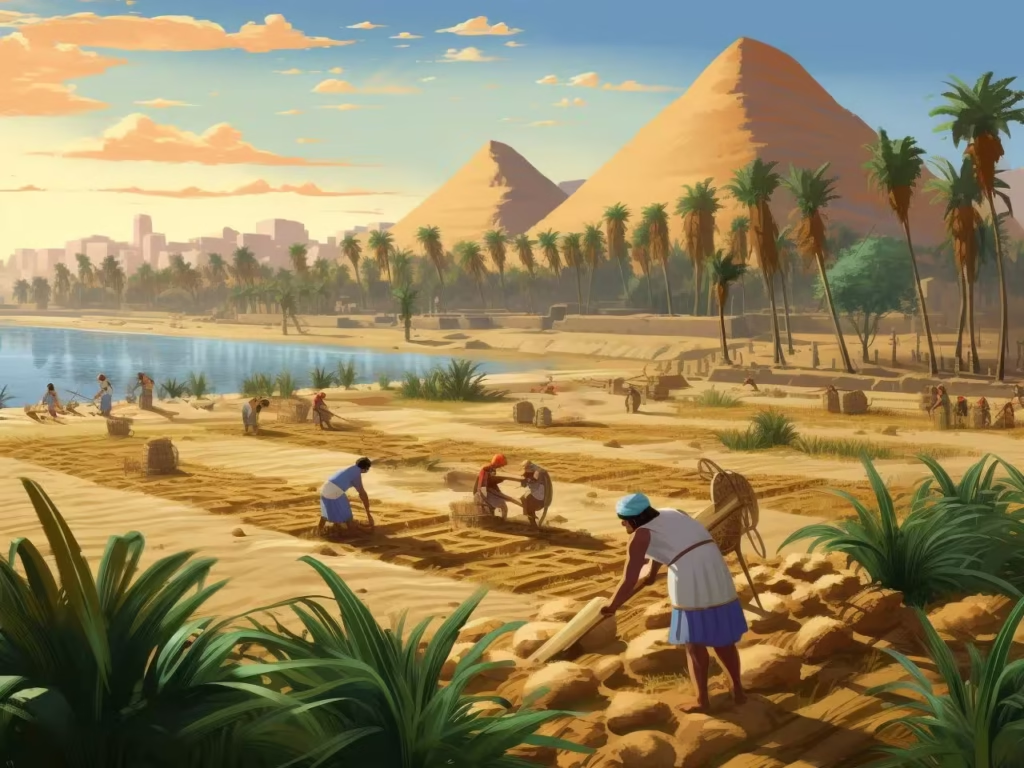
Food preparation in Ancient Egyptian Food and Cuisine was a daily routine built on skill, patience, and simple techniques passed down through generations. Most households handled their own cooking, starting with grinding grains into flour using stone tools. This flour was then used to make bread, the foundation of nearly every meal.
Cooking methods were straightforward but effective. Clay ovens baked bread, while open fires were used to boil, roast, or stew ingredients in pottery vessels. Vegetables were chopped and added to dishes, while fish and meat were either grilled or dried for preservation. Many visitors are surprised by how organized these kitchens were, even without modern tools.
In tomb scenes across Luxor and Saqqara, you can see detailed depictions of workers preparing food—kneading dough, stirring pots, and storing ingredients in jars. These images offer a vivid look into everyday life. It may look simple, but this system allowed families to prepare nutritious meals consistently.
This careful preparation process helped shape a cuisine that was not only practical but also deeply connected to the rhythms of life along the Nile.
Witness the Delicious Ancient Egyptian Food Recipes
Ancient Egyptian food recipes were surprisingly creative, combining simple ingredients into nourishing and flavorful dishes. Many of these recipes were based on grains, vegetables, and natural sweeteners, showing how resourceful people were with what they had. Bread, for example, came in different shapes and textures, sometimes mixed with dates or honey for added taste.
Stews were also common, made by slowly cooking lentils, onions, garlic, and herbs in clay pots. Fish dishes varied depending on the region, often grilled or dried with salt. What makes these Ancient Egyptian food recipes fascinating is how familiar they feel—many resemble meals still enjoyed across Egypt today.
Some recipes were even recorded in tomb illustrations, where you can see step-by-step preparation scenes. These visual guides show workers grinding grain, mixing ingredients, and baking bread, offering a rare glimpse into ancient kitchens.
If you travel through Egypt, especially in traditional villages, you may taste dishes inspired by these early recipes. It’s a unique experience—connecting past and present through flavors that have lasted for thousands of years.
Festive Meals and Banquets in Ancient Egypt
Festive meals in Ancient Egyptian Food and Cuisine were grand, symbolic, and filled with a sense of celebration. Unlike everyday meals, these banquets brought together a wide variety of foods—meat, bread, fruits, wine, and sweets—served in abundance to reflect wealth and status. Such occasions were often linked to religious festivals, royal events, or important family gatherings.
At these feasts, guests would enjoy roasted meats like beef, duck, and goose, alongside baskets of fresh fruits such as figs and grapes. Wine flowed more freely than usual, especially among the elite. Music, dancing, and entertainment were also part of the experience, turning meals into lively social events. Many visitors are surprised to see how similar these gatherings were to modern celebrations.
Tomb paintings in places like Thebes show detailed banquet scenes, with people seated, servants offering food, and musicians playing in the background. Historians believe these depictions were meant to ensure that the deceased could continue enjoying such feasts in the afterlife.
These elaborate meals reveal how food went beyond survival—it became a way to celebrate life, honor the gods, and display prosperity.

How Ancient Egyptian Food and Cuisine Connected to Religion and Daily Life
Food in ancient Egypt was never just about eating—it was deeply tied to belief, ritual, and everyday existence. Many Ancient Egyptian food facts show that meals were closely connected to religion, with offerings made daily to gods in temples and placed inside tombs for the afterlife. Bread, beer, fruits, and even meat were presented as gifts, symbolizing respect and devotion.
Priests followed strict dietary practices, preparing sacred meals that were believed to nourish the gods themselves. After rituals, some of this food was redistributed among temple workers, blending spiritual and practical life. This connection made food part of a larger cycle of giving, receiving, and honoring divine forces.
In daily life, families also reflected these beliefs. It was common to leave small food offerings at household shrines, especially during important events. If you walk through ancient sites like Karnak or Luxor temples, guides often point out carvings showing long tables filled with food prepared for religious ceremonies.
This strong link between nourishment and belief shaped how people viewed food—not just as sustenance, but as a bridge between the human world and the divine.
How did food relate to religion in ancient Egypt?
Food was a central part of religious life, deeply woven into rituals, offerings, and beliefs in the afterlife. In Ancient Egyptian Food and Cuisine, meals were not only prepared for the living but also for the gods and the dead. Temples received daily offerings of bread, beer, meat, fruits, and vegetables, which priests presented to deities as a sign of respect and devotion.
It is believed that these offerings symbolically fed the gods, even though the food was later consumed by temple staff. This created a unique connection between spiritual practice and daily sustenance. Many tombs, especially in places like Saqqara and the Valley of the Kings, contain detailed carvings of food items placed for the deceased, ensuring they would never go hungry in the afterlife.
Families also practiced small rituals at home, leaving food at household shrines during special occasions. This shows how religion was not limited to temples—it was part of everyday life. Even today, when visitors explore ancient sites, they can see long rows of carved offerings, reminding us how essential food was in linking the human world with the divine.
Comparison Between Ancient and Modern Egyptian Cuisine
At first glance, ancient and modern Egyptian food may seem different, but the connection between them is stronger than many expect. One interesting aspect of an Ancient Egyptian feast is how it still echoes in today’s gatherings, where food brings people together for celebration, family, and tradition.
In ancient times, meals were built around bread, legumes, vegetables, and occasional meat—simple yet nourishing. Today, dishes like ful medames and baladi bread follow the same foundation. Even the use of garlic, onions, and herbs remains unchanged, showing how culinary habits have survived for thousands of years.
However, modern Egyptian cuisine has expanded with new ingredients, spices, and cooking techniques introduced over centuries through trade and cultural exchange. Rice, tomatoes, and richer meat dishes are now common, adding variety that ancient Egyptians did not have.
If you walk through markets in Cairo or dine in a local home, you’ll notice this blend of old and new. Many travelers are surprised to taste flavors that feel both familiar and ancient at the same time. This continuity is what makes Egyptian cuisine unique—a living tradition rooted deeply in history yet constantly evolving.
Legacy of Ancient Egyptian Food in Modern Times
The influence of Ancient Egyptian Food and Cuisine is still clearly visible in modern Egypt, shaping everyday meals and culinary traditions across the country. Many dishes enjoyed today are built on the same foundations—bread, beans, vegetables, and simple cooking methods that have existed for thousands of years.
Foods like baladi bread and ful medames reflect this deep continuity, using ingredients and techniques that would feel familiar to ancient Egyptians. Even the use of clay ovens in rural areas mirrors traditional baking practices seen in ancient tomb scenes. It may look simple, but this continuity tells a powerful story of cultural preservation.
Markets across Cairo, Luxor, and Aswan still display dates, figs, and fresh produce much like those illustrated in temple carvings. Many travelers notice how little some aspects have changed, especially in villages where food is prepared using time-honored methods.
This lasting legacy shows that Egyptian cuisine is not just part of history—it is still alive today. Through flavors, ingredients, and traditions, the past continues to shape the present in a way few cultures in the world can match.
Experiencing Ancient Egyptian Food and Cuisine on Your Egypt Trip
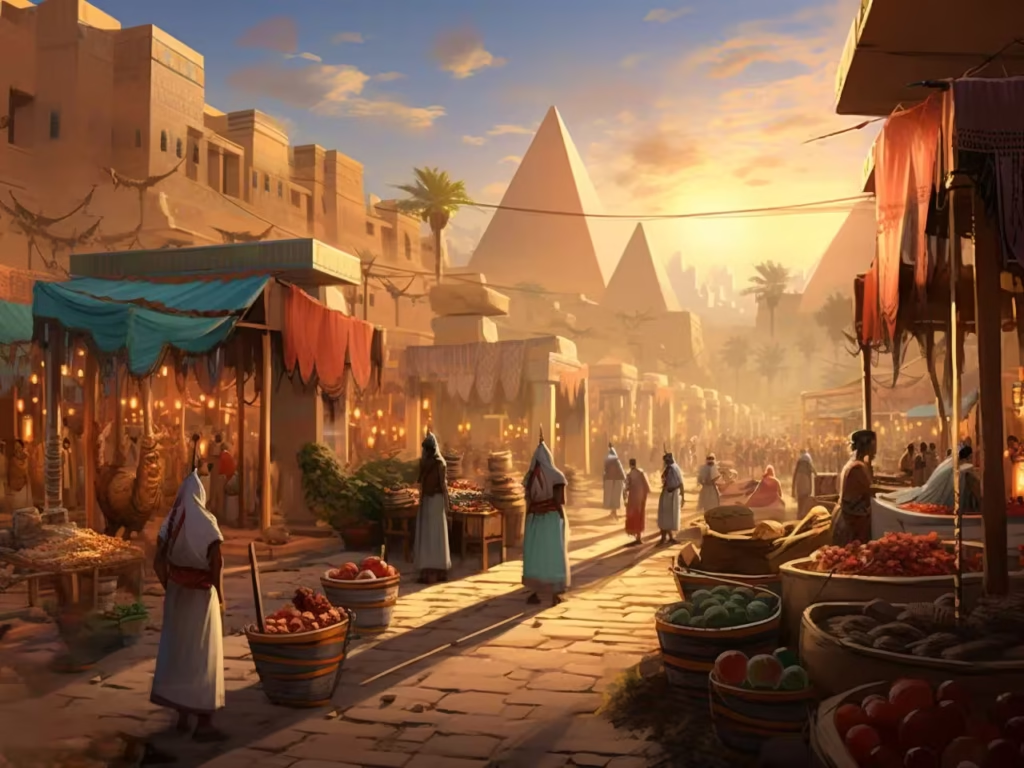
Exploring Ancient Egyptian Food and Cuisine during your trip is more than just tasting dishes—it’s about connecting with a living history that still shapes Egypt today. From busy Cairo streets to quiet villages along the Nile, you can experience flavors that reflect traditions going back thousands of years.
Many travelers enjoy trying meals made with beans, fresh bread, dates, and local vegetables, all inspired by ancient diets. These simple yet rich flavors often reveal surprising insights, supported by Ancient Egyptian food facts that show how little some culinary habits have changed. Even today, food is prepared in ways that echo the past, especially in rural communities.
One of the most authentic experiences comes during a Aswan To Luxor Tour, where you can sit with locals, share traditional dishes, and see how food remains a central part of culture and hospitality. Meals are often homemade, offering a genuine taste of Egypt beyond restaurants.
This journey through food adds a deeper layer to your travels. It transforms historical knowledge into something you can taste, making your visit to Egypt both memorable and meaningful.