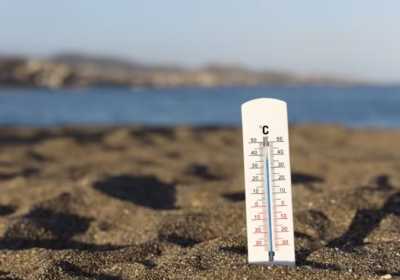
How Hot Is Egypt In The Summer is one of the first questions travelers ask before planning their trip. From the busy streets of Cairo to the ancient temples of Luxor, summer heat can be strong but manageable. At first glance, it may seem overwhelming, but with the right timing and tips, it becomes part of the experience. This guide shows you what to expect and how to travel smart.
How Hot Is Egypt in the Summer?
How Hot Is Egypt In The Summer is a question that comes up often, and the honest answer is: it gets very hot, but the experience depends on where you are and how you plan your day. In most parts of Egypt, especially between June and August, daytime temperatures usually range from 35°C to 45°C (95°F to 113°F), with southern cities like Luxor and Aswan reaching even higher.
At first, this might sound overwhelming. However, many travelers are surprised to find that the heat is dry rather than humid, which makes it more manageable than expected. Early mornings and evenings feel much more comfortable, and this is when most sightseeing takes place. Walking through ancient temples at sunrise, when the air is still cool, can actually be one of the most memorable moments of a trip.
In cities like Cairo, the heat is slightly softer due to its northern location, while coastal areas benefit from refreshing sea breezes. Because of this variation, summer in Egypt is not just about high temperatures—it’s about timing, location, and knowing how to adapt your travel routine
Is Egypt too hot in summer?
Egypt can feel very hot in summer, but calling it “too hot” really depends on how you travel and what you plan to do. Many visitors expect unbearable conditions, yet they are often surprised that the experience is manageable with simple adjustments. The key is not avoiding the heat, but learning how to move with it.
Most sightseeing happens early in the morning, especially in places like Luxor and Aswan, where the sun becomes intense by midday. By afternoon, travelers usually shift to indoor visits, hotel rest, or relaxing by the Nile or the Red Sea. This rhythm makes a big difference.
Coastal destinations like Hurghada also offer a cooler alternative thanks to sea breezes. In fact, many travelers combine historical visits with water activities, such as a trip with Speedboat Hurghada, where the refreshing sea helps balance the summer heat.
So, is Egypt too hot in summer? It can be intense, especially in the south, but it is far from impossible to enjoy. With the right timing, light clothing, and good planning, summer becomes a unique and quieter way to explore Egypt’s famous sites.
Summer Months (June – August)
The peak of heat arrives between June and August, and this is when How Hot Is Egypt In The Summer becomes very real for travelers. During these months, temperatures regularly climb above 35°C (95°F), and in southern cities like Luxor and Aswan, they can exceed 45°C (113°F) during the day.
Despite this intensity, daily life and travel continue with a different rhythm. Early mornings are the most comfortable time to explore temples, tombs, and historical sites. Walking through the Valley of the Kings at sunrise, for example, feels completely different compared to midday heat. By afternoon, most visitors choose to rest indoors or enjoy shaded areas along the Nile.
Evenings bring some relief, especially in cities like Cairo, where temperatures drop slightly and the atmosphere becomes more active. Restaurants, markets, and riverside cafes come alive after sunset, creating a completely different experience from the quiet midday hours.
So while June to August are the hottest months, they also offer fewer crowds and a unique way to explore Egypt—if you plan your days wisely and respect the climate.
Summer Temperatures and Humidity (May to September)
From May to September, temperatures across Egypt steadily rise, creating long, hot days that define the summer travel experience. In many regions, daytime temperatures range between 35°C and 45°C (95°F to 113°F), with southern cities often pushing even higher. However, what surprises many travelers is the low humidity, especially in Upper Egypt, which makes the heat feel more dry than heavy.
Along the Red Sea coast, the situation feels different. Places like Hurghada benefit from sea breezes that make the air more comfortable, even during peak summer. This is why many visitors mix sightseeing with relaxing activities, such as evenings in the desert or experiences like Stargazing Hurghada, where cooler night temperatures create a completely different atmosphere.
Humidity becomes more noticeable in northern cities like Cairo and Alexandria, but it is still generally lower than in many tropical destinations. Because of this, Egypt’s summer heat is intense but predictable. With proper planning—early starts, shaded breaks, and evening outings—travelers can explore comfortably without feeling overwhelmed by the climate.
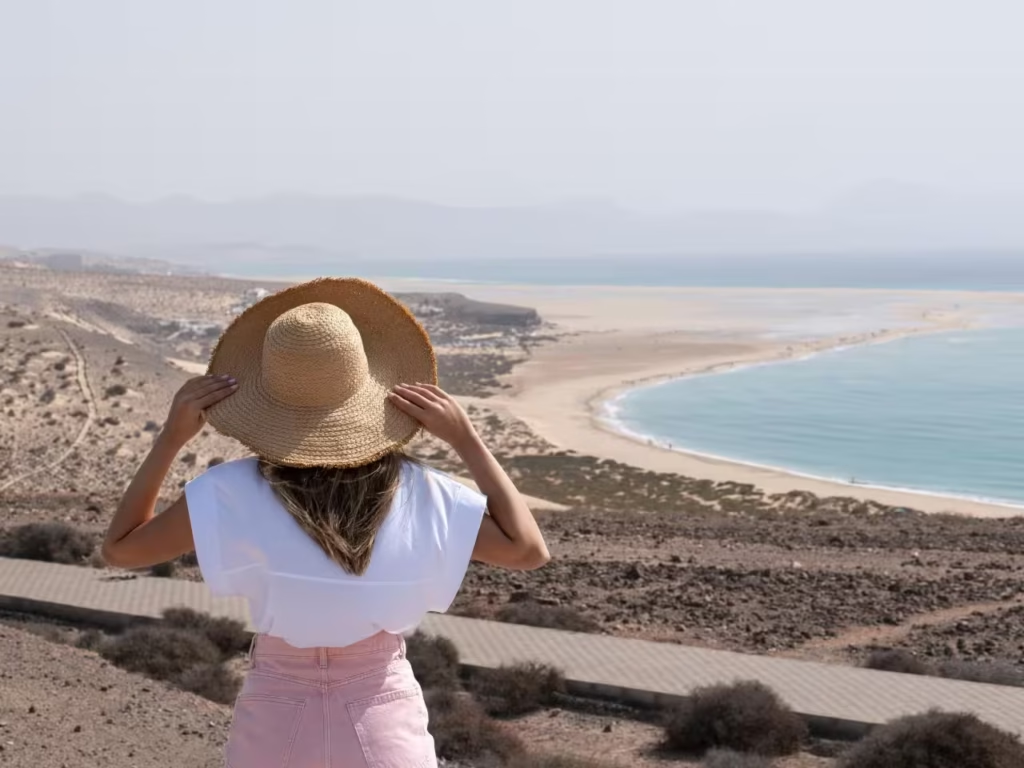
Cairo and Northern Egypt Summer Weather
Northern Egypt offers a slightly different summer experience compared to the south, with Cairo and nearby cities feeling less extreme but still very warm. Daytime temperatures in Cairo usually range between 32°C and 38°C (90°F to 100°F), while coastal areas benefit from cooler air coming from the Mediterranean.
What many travelers notice first is the contrast between city heat and coastal comfort. In Cairo, the sun can feel intense during midday, especially when walking through open areas like the pyramids or historic streets. However, mornings and evenings are much more pleasant, making them the best times to explore.
Moving toward the coast, places like Alexandria feel noticeably fresher. The sea breeze creates a more relaxed atmosphere, which is why many visitors include northern destinations in their summer plans. After exploring historical sites, travelers often look for balance by heading to the Red Sea for water-based experiences, such as Dolphin House Hurghada, where the cooler sea environment provides a refreshing escape.
Overall, northern Egypt in summer is warm but manageable, offering a good mix of cultural exploration and opportunities to cool down nearby.
Weather in Cairo
Cairo in summer is hot, busy, and full of energy, especially if you explore it at the right time of day. Temperatures usually range between 33°C and 38°C (91°F to 100°F), with strong sunshine during midday. It may feel intense at first, particularly when walking near the pyramids or through open historic areas, but the experience changes completely in the early morning and evening.
Many travelers start their day at sunrise to visit places like the Giza Plateau or the Egyptian Museum before the heat peaks. By afternoon, it’s common to take a break indoors, enjoy air-conditioned cafés, or relax at your hotel. Then, as the sun sets, Cairo becomes lively again, with streets, markets, and Nile-side spots full of activity.
For those looking to balance city heat with a refreshing escape, combining your trip with coastal experiences helps a lot. After a few days in Cairo, many visitors head to the Red Sea and enjoy activities like Orange Bay Hurghada, where clear water and sea breezes offer a completely different summer atmosphere.
In the end, Cairo’s summer weather is warm but manageable if you follow the local rhythm and plan your day wisely.
Weather in Alexandria
Alexandria offers one of the most comfortable summer climates in Egypt, making it a favorite escape from the intense inland heat. Located along the Mediterranean coast, the city benefits from constant sea breezes that keep temperatures milder, usually between 28°C and 32°C (82°F to 90°F). Compared to Cairo or Luxor, the difference feels immediate.
Many travelers notice how refreshing the air feels, especially when walking along the Corniche or sitting at a seaside café. Even during the hottest months, evenings in Alexandria are pleasant and lively, with locals and visitors enjoying the cooler atmosphere by the water.
Because of this, Alexandria is often combined with coastal experiences further south. Travelers who enjoy the sea often continue their journey to the Red Sea, where island trips like Hula Hula Island provide clear water, soft sand, and a relaxing contrast to city sightseeing.
What makes Alexandria special in summer is not just the temperature, but the overall feeling. It’s slower, breezier, and more relaxed—perfect for travelers who want to enjoy Egypt without the intensity of southern heat.
Aswan, Luxor, and Southern Egypt Summer Weather
Southern Egypt is where the summer heat reaches its peak, especially in cities like Aswan and Luxor. Daytime temperatures often range between 40°C and 47°C (104°F to 116°F), and sometimes even higher during heatwaves. The sun feels strong and direct, particularly when walking through open temple complexes or desert landscapes.
Yet, what surprises many visitors is how dry the air is. Unlike humid climates, the heat here is sharp but not heavy, which makes it easier to handle with the right timing. Early morning visits to places like Karnak Temple or the Valley of the Kings are not just recommended—they are essential for a comfortable experience.
Because afternoons can be intense, many travelers shift to relaxing activities or water-based experiences later in the day. Some choose to combine their southern journey with coastal adventures, such as Hurghada Parasailing, where the sea breeze and open views provide a refreshing contrast to the desert heat.
Even though southern Egypt is the hottest region in summer, it also offers some of the most unforgettable historical sites. With smart planning, it becomes a powerful and rewarding part of any Egypt journey.
Weather in Aswan
Aswan is one of the hottest places in Egypt during summer, and the experience here truly defines what egypt summer feels like. Temperatures often rise above 42°C (107°F), and in some cases, they can approach 45°C (113°F) during the peak of the day. The sun is strong, and the landscape—surrounded by desert—intensifies the heat.
However, the dryness of the air makes a noticeable difference. Many travelers expect unbearable conditions, but the lack of humidity helps the body adjust better than in coastal or tropical climates. Early mornings in Aswan can actually feel peaceful, especially when visiting sites like Philae Temple or walking along the Nile before the heat builds.
By midday, most people take a break indoors or relax in shaded areas, often near the river where there is a slight breeze. Evenings bring a calmer atmosphere, with cooler air and quiet views over the water.
What makes Aswan special in summer is the contrast—it may be hot, but it also feels serene, less crowded, and deeply connected to the surrounding desert landscape.
Weather in Hurghada
Hurghada offers a completely different summer experience compared to inland cities, making it one of the most popular choices for summer holidays to egypt. While temperatures still range between 33°C and 38°C (91°F to 100°F), the constant Red Sea breeze makes the heat feel far more comfortable.
What many travelers notice right away is how refreshing the air feels near the coast. Even during the hottest part of the day, the sea wind creates a natural cooling effect, especially on beaches and boats. This is why daytime activities in Hurghada often include swimming, snorkeling, or relaxing by the water instead of traditional sightseeing.
Mornings are perfect for boat trips and diving, when the sea is calm and the light is ideal for exploring coral reefs. Afternoons are usually spent at resorts or shaded beach areas, while evenings bring a lively atmosphere with restaurants, cafes, and seaside walks.
Hurghada in summer is less about avoiding the heat and more about enjoying it differently. With the sea always nearby, it becomes one of the easiest and most enjoyable places to experience Egypt during the hottest months
What is Egypt’s hottest city?
When it comes to extreme heat, Aswan is widely considered Egypt’s hottest city, especially during the peak of egypt summer holidays. Located in the far south, surrounded by desert and far from coastal influences, Aswan experiences some of the highest temperatures in the country. Summer days here regularly exceed 42°C (107°F), and during heatwaves, they can climb even higher.
Luxor is a close second, sharing a similar climate due to its location in Upper Egypt. Both cities are famous for their ancient temples and tombs, but they are also known for intense midday heat. This is why most tours in these areas start very early in the morning, allowing visitors to explore comfortably before temperatures rise.
Interestingly, despite being the hottest, Aswan also feels calmer and less crowded in summer. Many travelers who visit during this time say the experience feels more personal, especially when walking through historic sites without large crowds.
So while Aswan holds the title for the hottest city, it is also one of the most unique places to visit—if you plan your day around the heat and embrace the slower summer rhythm.
Weather in Egypt in June
June marks the true beginning of intense summer conditions across Egypt, with temperatures rising quickly in most regions. In many areas, daytime highs range between 35°C and 40°C (95°F to 104°F), while southern cities like Luxor and Aswan can already feel extremely hot by midday. However, mornings and evenings still offer some relief, making it a manageable time for travel with proper planning.
For travelers looking at places to visit in egypt in summer, June can actually be a smart choice. It’s just before the peak heat of July and August, and you’ll often find fewer crowds at major attractions. Exploring temples early in the day or taking Nile cruises at sunset can make the experience both comfortable and memorable.
Coastal destinations like Hurghada and Alexandria are especially appealing during this month. The sea breeze helps balance the rising temperatures, allowing for beach activities, snorkeling, and boat trips throughout the day.
June is a transition month—it introduces the heat of summer but still allows flexibility. With the right timing and a mix of destinations, it can be one of the most rewarding times to explore Egypt.
Egypt Weather in July
July is often considered the peak of summer heat in Egypt, with temperatures reaching their highest levels across most regions. In cities like Luxor and Aswan, daytime temperatures frequently exceed 42°C (107°F), while Cairo and other northern areas stay slightly lower but still very hot. The sun is intense, and outdoor activities during midday can feel challenging without proper planning.
For travelers planning best places for summer vacation in egypt, July still offers great opportunities if you choose your destinations carefully. Coastal areas like Hurghada and Alexandria become much more attractive during this time, thanks to cooling sea breezes that make the heat more comfortable. Many visitors shift their focus toward beach activities, snorkeling, and relaxing by the water rather than long daytime sightseeing.
Inland exploration is still possible, but timing is everything. Early morning temple visits and evening walks along the Nile create a completely different experience compared to the quiet, hot afternoons. Interestingly, fewer crowds in July also mean a more peaceful atmosphere at major historical sites.
While July is undeniably hot, it can still be an enjoyable and unique time to visit Egypt with the right approach.
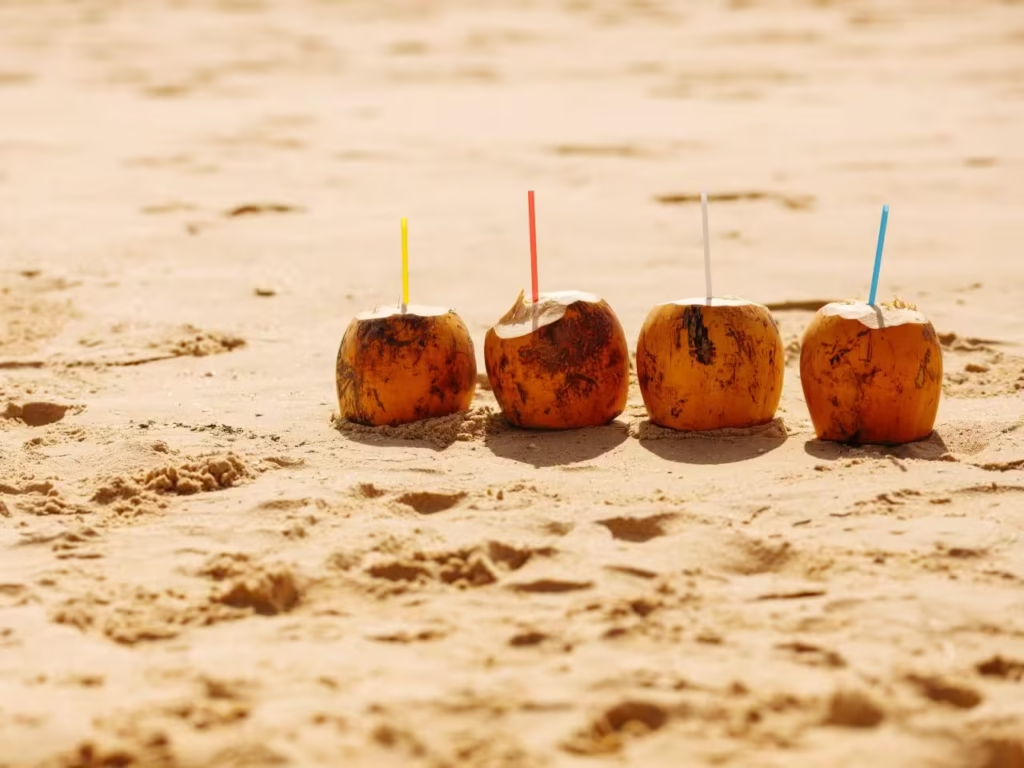
Weather in Egypt in July
By mid-summer, Egypt reaches some of its most intense heat levels, and July clearly shows why it’s considered the peak season for high temperatures. Across the country, daytime temperatures often range between 38°C and 45°C (100°F to 113°F), especially in Upper Egypt where the sun feels direct and constant.
Still, many travelers exploring the best places to visit in egypt in summer find that July can be surprisingly enjoyable with the right approach. Coastal destinations like Hurghada and Alexandria become the highlight during this time, offering cooling sea breezes and refreshing water activities that make the heat much easier to handle.
In cities like Luxor and Aswan, the rhythm of the day shifts. Early mornings are ideal for visiting temples and historical sites, while afternoons are best spent resting indoors or near shaded areas along the Nile. Evenings then bring a calmer atmosphere, perfect for walks, dining, or relaxing by the river.
July may be one of the hottest months, but it also offers a quieter, less crowded experience—allowing visitors to enjoy Egypt’s landmarks in a more peaceful and personal way.
Weather in Egypt in August
August is often the hottest month of the year, and this is when How Hot Is Egypt In The Summer becomes most noticeable for travelers. Temperatures across much of the country regularly reach between 40°C and 45°C (104°F to 113°F), especially in southern cities like Luxor and Aswan, where the heat can feel intense from early morning.
Even so, the experience is not as overwhelming as many expect. The dry desert climate makes the heat more bearable than humid destinations, and daily routines naturally adjust. Early morning visits to temples, followed by long midday breaks indoors, become the norm. By evening, the atmosphere changes completely, with cooler air and more movement in streets, cafes, and along the Nile.
Coastal destinations play a major role during this time. Hurghada and other Red Sea areas offer a refreshing escape, where swimming, snorkeling, and sea activities replace traditional sightseeing during the hottest hours.
August may be extreme in temperature, but it also offers fewer crowds and a quieter travel experience. With the right pace and planning, it becomes a unique way to explore Egypt’s landscapes and history.
Summer highs and how to cope
Handling the intense heat is a key part of enjoying egypt summer, and the good news is that it becomes much easier with a few simple habits. Temperatures can be high, especially in places like Luxor and Aswan, but travelers quickly learn how to adapt by following the local rhythm.
The most important step is timing. Start your day early, often at sunrise, when the air is still cool and comfortable for exploring temples and historical sites. Midday is best reserved for rest—whether that means returning to your hotel, sitting in a shaded café, or enjoying air-conditioned indoor spaces.
Clothing also makes a big difference. Light, breathable fabrics, sunglasses, and a hat help protect against the strong sun. Staying hydrated is essential, and carrying water throughout the day becomes part of your routine.
Many travelers also balance sightseeing with relaxing activities. After a morning of exploring, spending time by the sea or pool helps you recharge. Because of this, summer in Egypt becomes less about avoiding the heat and more about moving with it in a smart and comfortable way.
Avoiding the Summer Heat
Avoiding the strongest heat is one of the smartest ways to enjoy your trip, especially when thinking about How Hot Is Egypt In The Summer. The key is not to fight the weather, but to plan your day around it, just like locals and experienced travelers do.
Start early. Many of Egypt’s most famous sites, like the temples of Luxor or the pyramids in Cairo, are best visited right after sunrise. At this time, the air is cooler, the the light is softer, and the experience feels more peaceful. By late morning, temperatures begin to rise quickly, making it the perfect moment to step indoors.
Midday is ideal for rest. Whether you’re relaxing at your hotel, enjoying a shaded café, or visiting museums, taking a break during peak heat hours makes a huge difference. Then, as the sun begins to set, the cities come back to life, and exploring becomes enjoyable again.
Choosing the right locations also helps. Coastal areas and Nile-side spots offer natural cooling, while desert areas require more careful timing. With this approach, you don’t just avoid the heat—you turn it into a manageable part of your Egypt travel experience.

How to Enjoy the Heat in Egypt (This Is the Part That Matters)
Enjoying the heat is really what transforms summer holidays to egypt from something challenging into something unforgettable. Instead of trying to avoid the weather, the best experiences come when you work with it and adjust your travel style.
One of the easiest ways to do this is by mixing activities. Start your mornings with historical exploration—walking through temples, tombs, or museums while the air is still cool. Then, as the temperature rises, shift your focus to relaxing experiences. Many travelers head to the Red Sea during the afternoon, where swimming, snorkeling, or simply sitting by the water feels refreshing rather than exhausting.
Evenings are when Egypt truly comes alive in summer. Streets fill with people, Nile-side cafés become lively, and the atmosphere feels completely different from the quiet heat of midday. Sitting outside after sunset, with a light breeze and views of the river or sea, often becomes a highlight of the trip.
In the end, enjoying Egypt in summer is about balance. Combine culture with relaxation, plan your timing well, and the heat becomes part of the experience—not something that limits it.