Explore What Are The Major Cities Of Egypt and see how each destination brings its own energy, history, and culture. Egypt is more than ancient temples—it’s a mix of lively capitals, coastal escapes, and historic towns. Travelers often notice how every city feels completely different. This guide will help you understand the main cities, what to expect in each, and how to build a travel route across Egypt.
What Are The Major Cities Of Egypt and Why They Matter for Travelers
Understanding What Are The Major Cities Of Egypt is the first step to planning a meaningful trip across this diverse country. Each city offers a completely different experience, and that’s what makes traveling in Egypt so unique. From busy urban centers to peaceful Nile towns and coastal escapes, the contrast is part of the journey.
Most travelers are surprised by how quickly the atmosphere changes between destinations. Cairo feels energetic and crowded, full of history layered with modern life. Meanwhile, cities like Luxor and Aswan slow things down, allowing you to explore temples, tombs, and the Nile at a relaxed pace. On the other hand, coastal cities such as Hurghada or Sharm El Sheikh offer clear waters and beach experiences far from the desert landscape.
Because of this variety, choosing the right cities shapes your entire travel experience. Some visitors focus on ancient history, while others mix culture with relaxation. In fact, combining multiple cities often creates the most complete itinerary, giving you a deeper understanding of Egypt beyond just one destination.
Egypt’s Main Cities
Egypt’s main cities form the backbone of any travel experience, each offering a distinct atmosphere shaped by history, geography, and daily life. From the moment you arrive, you begin to notice how every destination feels like a different chapter of the same story.
Cairo stands as the heart of the country, busy and layered with centuries of culture. Just nearby, Giza connects visitors directly to the pyramids, while Alexandria brings a Mediterranean breeze and a completely different rhythm. Moving south, Luxor and Aswan reveal ancient temples and peaceful Nile views that feel far removed from the capital’s energy.
Many travelers don’t expect this level of contrast. One day you might be walking through crowded streets, and the next you’re standing in a quiet temple surrounded by desert landscapes. This is what makes exploring Egypt so engaging.
To truly understand the depth of Cairo’s historic side, many visitors choose the Old Cairo Tour, where narrow streets, ancient churches, and early Islamic landmarks bring the city’s past to life in a way you can actually walk through.
Geographic Distribution of Major Egyptian Cities
The geographic spread of What Are The Major Cities Of Egypt explains why traveling across the country feels like moving between different worlds. Egypt is not just one landscape—it’s a combination of river valleys, deserts, and coastlines, and each region shapes the cities within it.
Most major cities are concentrated along the Nile River. This is where life has existed for thousands of years, so places like Cairo, Luxor, and Aswan developed as cultural and historical centers. When you travel south along the Nile, you’ll notice how cities become quieter, with more focus on temples, agriculture, and river life.
In contrast, northern cities like Alexandria sit along the Mediterranean coast, offering cooler weather and a relaxed seaside atmosphere. Then, on the eastern side, Red Sea cities such as Hurghada and Sharm El Sheikh feel completely different, built around beaches, resorts, and diving spots rather than ancient ruins.
Because of this distribution, planning your route matters. Many travelers combine the Nile Valley with coastal areas to experience both history and relaxation. This balance is what makes exploring Egypt feel complete and constantly changing.
Cairo – The Vibrant Capital
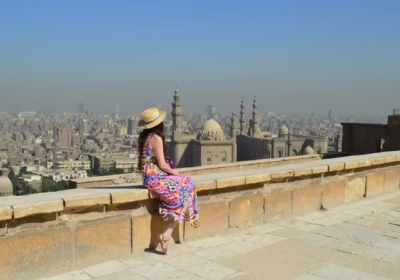
Cairo is the beating heart of Egypt, a city where history and modern life exist side by side in a way few places can match. From the moment you arrive, the energy is undeniable—busy streets, constant movement, and a skyline filled with mosques, markets, and historic landmarks.
Many travelers don’t realize how layered Cairo really is. Beyond the famous pyramids nearby, the city itself holds centuries of stories. Walking through Islamic Cairo, you’ll pass narrow streets, ancient mosques, and local shops that feel unchanged for generations. Then, just a short drive away, you find more organized districts, modern cafés, and views of the Nile that offer a quieter contrast.
One of the most memorable experiences is visiting the Saladin Citadel Tour, where you can stand above the city and see Cairo stretching endlessly in every direction. It’s a place where guides often explain how rulers once controlled the city from this exact point.
Because of this mix, Cairo is not just a starting point—it’s a destination that gives you a full introduction to Egypt’s culture, history, and daily life all at once.
Giza – Gateway to the Pyramids
Giza is one of the most iconic destinations when exploring What Are The Major Cities Of Egypt, mainly because it offers direct access to the country’s most famous landmarks. Located just outside Cairo, this city is where ancient history becomes real the moment you see the pyramids rising from the desert.
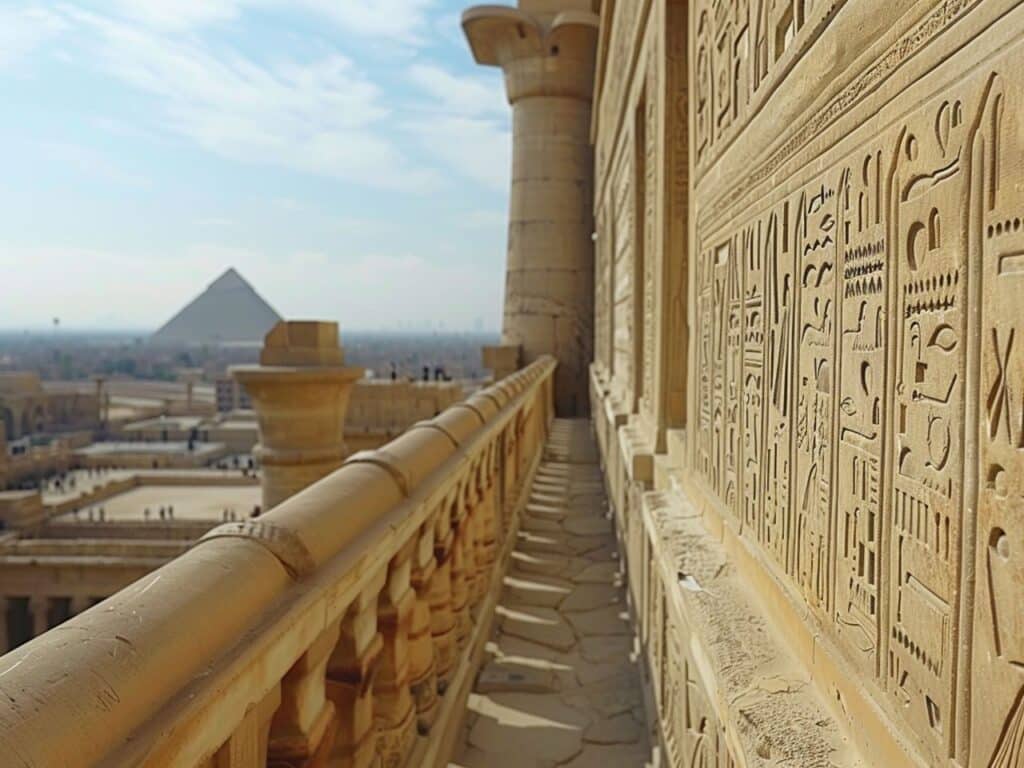
Many visitors expect Giza to be just about the pyramids, but the experience goes beyond that. Standing in front of the Great Pyramid or the Sphinx, you quickly realize the scale and mystery of these structures. It may look familiar from photos, yet seeing it in person feels completely different. The desert landscape, the silence between the monuments, and the stories shared by guides all add depth to the visit.
Giza also serves as a key starting point for exploring nearby ancient sites. From here, travelers often continue toward Saqqara or Memphis to see earlier pyramid designs and historical remains. Because of its location and significance, Giza is not just a stop—it’s a central part of understanding Egypt’s ancient civilization.
Alexandria – The Mediterranean Jewel
Alexandria offers a completely different side of Egypt, where sea views replace desert landscapes and history blends with a relaxed coastal lifestyle. Founded by Alexander the Great, this city has long been a cultural bridge between Egypt and the Mediterranean world.
Walking along the Corniche, many visitors notice the cooler breeze and slower pace compared to Cairo. Cafés overlook the sea, fishermen line the shore, and the atmosphere feels almost European in parts. Yet, beneath this calm surface lies a deep historical legacy, from the ancient Library of Alexandria to Roman ruins hidden across the city.
One interesting thing is how Alexandria mixes past and present so naturally. You might explore a historic site in the morning, then spend the afternoon enjoying fresh seafood by the water. This balance makes it a refreshing stop on any Egypt itinerary.
For those wanting to dive deeper into Egypt’s ancient treasures before or after visiting the coast, many travelers combine their trip with the Grand Egyptian Museum Tour, where thousands of artifacts help connect Alexandria’s story to the wider history of the country.
Luxor – The World’s Greatest Open-Air Museum
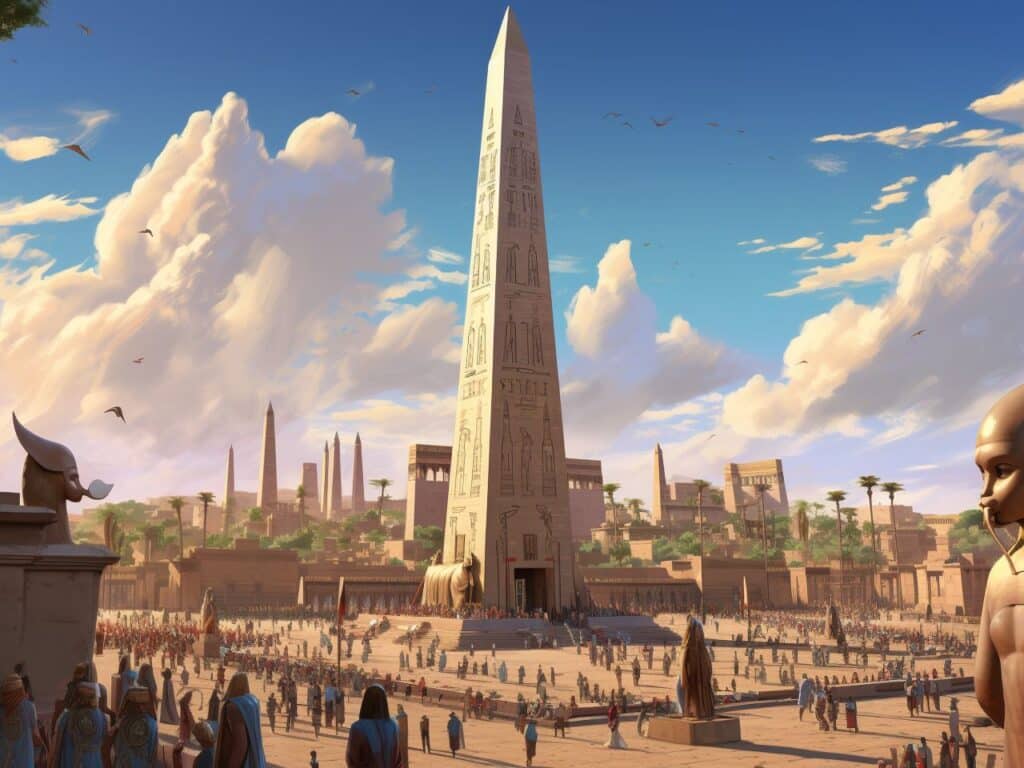
Luxor is often described as the world’s greatest open-air museum, and once you arrive, it’s easy to understand why. This city is a key part of What Are The Major Cities Of Egypt, especially for travelers interested in ancient history. Almost every corner reveals something remarkable—from massive temple complexes to hidden tombs carved deep into the hills.
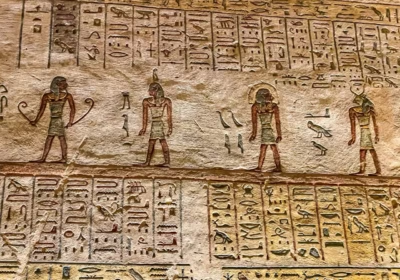
Walking through Karnak Temple, you’re surrounded by towering columns covered in detailed carvings that have survived for thousands of years. On the other side of the Nile, the Valley of the Kings offers a completely different experience. Descending into royal tombs, you see vivid wall paintings that still hold their color, telling stories of the afterlife and ancient beliefs.
Many visitors are surprised by how concentrated everything is. You can explore multiple world-famous sites within a short distance, making Luxor feel like a living museum rather than just a city.
Because of this, Luxor is not just a stop on the map—it’s a place where history becomes real, giving travelers one of the most immersive experiences in Egypt.
Aswan – The Nubian Treasure
Aswan feels completely different from the rest of Egypt, offering a calm and scenic experience along the Nile. As part of What Are The Major Cities Of Egypt, this southern destination is known for its relaxed pace, warm atmosphere, and strong connection to Nubian culture.
Many travelers notice the change immediately. The busy energy of Cairo fades away, replaced by quiet river views, small boats drifting across the water, and colorful villages along the banks. It’s a place where you can slow down and truly enjoy the surroundings. Walking along the Nile at sunset or visiting local markets gives you a more personal glimpse into daily life.
Historically, Aswan has always been important as a gateway to Africa and a center for trade and culture. Today, it’s also the starting point for exploring nearby landmarks, including temples and ancient sites further south.
For those interested in discovering more unique pyramid sites beyond Giza, many visitors include the Dahshur Pyramid Tour in their journey, often combined with Aswan as part of a wider exploration of Egypt’s lesser-known treasures.
Sharm El Sheikh – The Red Sea Paradise
Sharm El Sheikh represents a completely different side of travel when exploring What Are The Major Cities Of Egypt. Instead of ancient temples and desert landscapes, this city is all about clear blue water, coral reefs, and a relaxed coastal lifestyle.
Located on the Sinai Peninsula, Sharm El Sheikh has become one of the most popular resort destinations in the region. Many visitors come here for diving and snorkeling, often discovering vibrant marine life just a short distance from the shore. It may look like a typical beach destination at first, but the underwater world is what truly makes it special.
One interesting thing is how easy it is to switch from adventure to relaxation. You can spend the morning exploring coral reefs and the afternoon enjoying a quiet beach or a seaside café. In the evening, the city comes alive with restaurants and promenades that feel modern and welcoming.
Because of this balance, Sharm El Sheikh adds a refreshing contrast to any Egypt itinerary, giving travelers a chance to unwind after exploring historical sites along the Nile.
Hurghada – Sun, Sea, and Sand
Hurghada is one of Egypt’s most popular coastal cities, known for its long beaches, clear waters, and year-round sunshine. It offers a completely different experience compared to the historical cities along the Nile, making it a favorite stop for travelers looking to relax after exploring temples and pyramids.
Many visitors are surprised by how developed Hurghada has become. The city stretches along the Red Sea with resorts, marinas, and lively promenades, yet it still keeps its natural appeal through coral reefs and desert surroundings. You can spend your day snorkeling or diving, then enjoy a quiet sunset by the sea in the evening.
It may feel like a beach destination at first, but Hurghada also connects easily with Egypt’s ancient sites. This makes it a great base for combining relaxation with history. For example, many travelers include the Memphis and Saqqara Tour in their itinerary, giving them the chance to explore some of Egypt’s oldest pyramid sites while still enjoying the comfort of the Red Sea coast.
Because of this balance, Hurghada remains one of the most versatile destinations in Egypt.
Port Said & Suez – Guardians of the Suez Canal
Port Said and Suez hold a unique position when exploring What Are The Major Cities Of Egypt, as both cities are closely tied to one of the world’s most important waterways—the Suez Canal. Unlike other Egyptian destinations focused on tourism or ancient history, these cities are shaped by trade, industry, and global connections.
Port Said, located at the northern entrance of the canal along the Mediterranean Sea, has a distinctive coastal charm. Walking through the city, you’ll notice old European-style buildings, busy ports, and a mix of cultures influenced by its long history as a trading hub. It feels different from typical Egyptian cities, offering a quieter but historically rich atmosphere.
Further south, Suez sits at the canal’s southern entrance near the Red Sea. It plays a key role in maritime traffic, and while it is less tourist-focused, it remains important in understanding Egypt’s modern economy and strategic location.
Many travelers don’t initially consider these cities, but they reveal another side of Egypt—one connected to global trade routes rather than temples. This contrast adds depth to your understanding of how the country functions today.
Other Significant Major Cities in Egypt
Beyond the well-known destinations, there are several other cities that play an important role in shaping What Are The Major Cities Of Egypt. These places may not always appear on every travel itinerary, but they offer deeper insight into local life, culture, and regional diversity.
Cities in the Nile Delta, for example, are known for agriculture, universities, and everyday Egyptian life far from tourist crowds. Others, located near key waterways or industrial zones, reveal how modern Egypt functions beyond its ancient history. Visiting or even learning about these cities helps you see a more complete picture of the country.
Many travelers focus only on famous landmarks, but exploring beyond them can be surprisingly rewarding. It’s often in these lesser-known areas where you experience authentic markets, local traditions, and daily routines that feel untouched by tourism.
For those planning a classic route, combining major highlights with nearby experiences like the Trip to Pyramids of Giza can help balance iconic sights with a broader understanding of Egypt. This mix creates a journey that feels both complete and personal.
Mansoura – known for agriculture, medicine, and Delta culture.
Mansoura offers a different perspective when looking at What Are The Major Cities Of Egypt, especially for those interested in everyday life beyond tourist hotspots. Located in the fertile Nile Delta, the city is surrounded by green farmland, making it one of the country’s most important agricultural centers.
Unlike coastal resorts or historical hubs, Mansoura feels more local and authentic. Many travelers don’t realize that this region plays a key role in Egypt’s food production, with vast fields stretching along the river branches. The pace here is calmer, and daily life revolves around markets, universities, and community traditions rather than tourism.
The city is also known for its strong academic and medical reputation. Mansoura University, in particular, attracts students from across Egypt, adding a youthful and modern energy to the area. This mix of education and agriculture gives the city a unique identity.
If you visit the Delta region, you’ll notice how different it feels compared to desert cities. The greenery, the water channels, and the quieter streets all show another side of Egypt—one that many travelers rarely see but is essential to understanding the country as a whole.
Tanta – famous for religious festivals (Moulid of Sayid Ahmad al-Badawi).
Tanta is one of the most culturally rich cities in the Nile Delta, known especially for its vibrant religious traditions. It plays an important role among the Top 10 cities in Egypt, not because of monuments or beaches, but because of its deep spiritual significance and local atmosphere.
The city is most famous for the annual Moulid of Sayid Ahmad al-Badawi, one of the largest religious festivals in Egypt. During this time, thousands of visitors gather in Tanta, filling the streets with lights, music, markets, and celebrations. It’s a completely different experience compared to the quiet temples of Luxor or the busy streets of Cairo.
Even outside festival times, Tanta offers a glimpse into everyday Egyptian life. Markets are lively, local cafés are always active, and the pace feels authentic and unfiltered. Many travelers don’t expect this side of Egypt, but it often becomes one of the most memorable parts of their journey.
Because of this unique cultural role, Tanta stands out as a city where tradition is still alive and deeply connected to the community.
Ismailia – green city by the Suez Canal with colonial charm.
Ismailia stands out for its peaceful atmosphere and unique setting along the Suez Canal, offering a quieter side of What Are The Major Cities Of Egypt. Unlike the busy capital or tourist-heavy coastal resorts, this city is known for its greenery, open spaces, and relaxed pace.
Many visitors are surprised by how different Ismailia feels. Tree-lined streets, gardens, and views of the canal create a calm environment that contrasts with the desert landscapes found elsewhere in Egypt. It’s a place where you can walk along the waterfront and watch ships pass through one of the world’s most important trade routes.
The city also carries a subtle colonial influence, visible in some of its architecture and layout. This gives Ismailia a slightly European feel, especially in older districts built during the canal’s development.
Because of its location and atmosphere, Ismailia offers a refreshing break for travelers who want to experience a more local and less crowded destination while still understanding Egypt’s strategic importance.
Damietta – famous for furniture and Mediterranean fishing ports.
Damietta is a coastal city that combines craftsmanship, trade, and seaside life, making it an important part of the List of cities in Egypt. Located along the Mediterranean, it has long been known for both its fishing industry and its reputation as a center for high-quality furniture production.
Many travelers don’t expect this mix. On one side, you have busy workshops where skilled craftsmen create detailed wooden furniture, often passed down through generations. On the other, you’ll find fishing boats lining the coast, bringing in fresh seafood that defines the local cuisine. This combination gives Damietta a practical and authentic character.
Walking through the city, you’ll notice a strong connection between tradition and daily life. Markets are filled with locally made goods, and the coastal air adds to the relaxed atmosphere compared to inland cities. It’s not a typical tourist stop, but that’s exactly what makes it interesting.
Because of its unique identity, Damietta shows another side of Egypt—one focused on industry, craftsmanship, and the Mediterranean lifestyle rather than ancient monuments.
Shubra El Kheima
Shubra El Kheima is one of the largest urban areas in Greater Cairo and plays a key role in understanding What Are The Major Cities Of Egypt from a local perspective. Unlike tourist-focused destinations, this city reflects everyday Egyptian life, with busy streets, residential neighborhoods, and strong industrial activity.
Many travelers pass near Shubra El Kheima without realizing its importance. It is closely connected to Cairo, almost blending into the capital’s urban expansion. Here, you’ll see a different rhythm—factories, local markets, and crowded streets filled with daily routines rather than historical landmarks or tourist attractions.
It may not be a typical stop on a travel itinerary, but it offers something equally valuable: authenticity. Walking through its streets gives you a glimpse into how millions of Egyptians live and work, far from the curated experiences found in famous sites.
Because of this, Shubra El Kheima highlights the modern, working side of Egypt. It reminds visitors that beyond the monuments and beaches, the country is shaped by vibrant communities and everyday life.
Asyut
Asyut is one of Upper Egypt’s most important cities, offering a deeper look into local traditions and regional life. When discussing How many cities in Egypt, places like Asyut remind travelers that the country is far more diverse than just its famous destinations.
Located along the Nile south of Cairo, Asyut has long been a key agricultural and trade center. The surrounding lands are fertile, and the city plays an essential role in supporting communities across Upper Egypt. Unlike tourist-heavy areas, life here moves at a steady, authentic pace, shaped by daily routines and long-standing traditions.
Many visitors don’t reach Asyut, but those who do often notice its strong cultural identity. Markets are lively, local crafts are still present, and the connection to the Nile remains central to everyday life. It’s a place where you see Egypt as it truly is, rather than as a curated experience.
Because of this, Asyut adds depth to your understanding of the country, showing that beyond the well-known cities, there are many more places shaping Egypt’s story.
What Are The Major Cities Of Egypt by Population and Size
Looking at What Are The Major Cities Of Egypt by Population and size gives a clearer picture of how the country is structured beyond travel highlights. Some cities stand out not just because of history or tourism, but because of how many people live there and how much they have expanded over time.
Cairo, for example, dominates in terms of population, forming one of the largest urban areas in Africa. It blends into neighboring cities like Giza and Shubra El Kheima, creating a massive metropolitan region. This explains why the capital feels so dense and constantly active.
Other cities, like Alexandria, are also large but spread differently, with a long stretch along the Mediterranean coast. Meanwhile, cities in Upper Egypt such as Asyut or Luxor may be smaller in size but remain important regional centers.
Interestingly, size and population don’t always match importance for travelers. A smaller city like Luxor can hold more historical significance than a larger modern city. Because of this, understanding both population and scale helps you see Egypt from two perspectives—how people live today and how history shaped where cities developed.
Largest Cities in Egypt: Top 10 by Population
When looking at the Top 10 largest cities in Egypt, population size reveals where most of the country’s daily life and activity are concentrated. These cities are not only large in numbers but also central to Egypt’s economy, culture, and infrastructure.
Cairo ranks at the top by a wide margin, forming a massive urban area that includes Giza and Shubra El Kheima. This region alone holds tens of millions of people, making it one of the busiest areas in Africa. Alexandria follows as the second-largest city, stretching along the Mediterranean with a mix of residential districts and coastal spaces.
Other major cities include Giza, Port Said, Suez, and Mansoura, each playing a different role. Some are industrial or trade centers, while others serve as key regional hubs. In Upper Egypt, cities like Asyut and Luxor are smaller in population but still essential for local communities.
Many travelers don’t realize that these population centers often differ from tourist hotspots. Understanding the largest cities helps you see where modern Egypt is truly centered, beyond just the historical landmarks.
List of Largest Cities in Egypt
A clear List of Largest Cities in Egypt helps travelers and readers better understand how the country is organized beyond its famous landmarks. When exploring What Are The Major Cities Of Egypt, it becomes obvious that size, population, and importance can vary depending on location and function.
At the top of the list is Cairo, followed closely by Giza, which is often considered part of the same urban area. Alexandria comes next, stretching along the Mediterranean coast with a completely different atmosphere. Other major cities include Shubra El Kheima, Port Said, and Suez, all playing key roles in industry and trade.
Further south, cities like Mansoura, Tanta, and Asyut appear on the list, representing important regional centers in the Nile Delta and Upper Egypt. Even though they may not be as well-known to international visitors, they are essential to the country’s daily life and economy.
Many people assume that the largest cities are always the most visited, but that’s not always the case. This list shows how Egypt’s urban landscape is shaped by both history and modern growth, offering a deeper understanding of the country as a whole.
The Biggest Cities In Modern Egypt
When looking at the Largest city in Egypt by area and overall urban expansion, modern Egypt reveals a network of rapidly growing cities shaped by population pressure and development. These cities are not only large in size but also reflect how the country is evolving today.
Cairo remains the dominant urban center, but its expansion has created a massive metropolitan region that includes New Cairo, 6th of October City, and surrounding districts. This growth shows how Egypt is adapting to increasing population demands by building new urban spaces beyond the historic core.
Alexandria is another major example, stretching along the Mediterranean coast with continuous development. Meanwhile, cities like Giza have expanded far beyond their original boundaries, blending into greater Cairo while maintaining their own identity.
What’s interesting is that some of the largest cities today are not the most visited by tourists. Instead, they function as economic hubs, residential areas, and industrial centers. This contrast highlights how modern Egypt balances its ancient past with ongoing urban growth.
Because of this, exploring these cities—even briefly—gives you a clearer understanding of how Egypt lives and grows in the present day.
Exploring What Are The Major Cities Of Egypt for Your Travel Itinerary
Planning your journey around What Are The Major Cities Of Egypt allows you to create a balanced and unforgettable travel experience. Each city offers something different, so the key is knowing how to combine them in a way that fits your interests and time.
Most travelers start in Cairo, where you can explore museums, historic districts, and nearby pyramids. From there, many continue south to Luxor and Aswan, following the Nile and discovering temples, tombs, and ancient sites along the way. This classic route gives you a strong connection to Egypt’s history.
After exploring the Nile Valley, adding a coastal destination like Hurghada or Sharm El Sheikh can completely change the pace. You move from desert landscapes and monuments to beaches and clear waters, which many visitors find refreshing after days of sightseeing.
It’s also worth considering how travel time affects your plan. Egypt is larger than it seems, so choosing a few key cities rather than trying to see everything often leads to a more enjoyable trip.
Because of this variety, building your itinerary around major cities helps you experience Egypt as a complete journey—one that blends history, culture, and relaxation naturally.
Conclusion of Major Cities in Egypt
Exploring Egypt’s cities reveals a rich and varied landscape, from ancient capitals to modern urban centers and coastal escapes. When looking at Cities in Egypt in Arabic, you also begin to notice how each name carries cultural and historical meaning, reflecting the country’s deep heritage and identity.
Throughout your journey, cities like Cairo, Alexandria, Luxor, and Aswan each offer a different experience—whether it’s history, relaxation, or everyday life. Many travelers are surprised by how quickly the atmosphere changes between destinations, making every stop feel unique and memorable.
It’s this diversity that makes Egypt more than just a single destination. You can walk through ancient temples, sail along the Nile, and relax by the sea all within one trip. Each city adds a new layer to your understanding of the country.
In the end, discovering Egypt through its cities gives you a complete picture—one that blends past and present, tradition and modern life, all in a way that few destinations can offer.