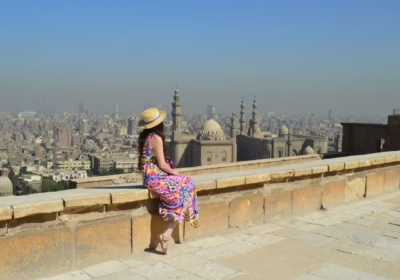
Discover How Often Does It Rain In Egypt and why many travelers are surprised by the answer. Egypt is famous for its dry desert climate, especially around Cairo, Luxor, and Aswan, where rain is rare but still possible. If you visit in winter, you might catch a light shower. This guide explains rainfall patterns, regions, and what it really means for planning your Egypt trip.
How Often Does It Rain In Egypt and Why It Surprises Travelers
How Often Does It Rain In Egypt is a question that often catches travelers off guard, especially those expecting occasional storms like in other countries. In reality, Egypt is one of the driest places on earth, and rain is extremely rare in most regions. Many visitors arrive thinking they might need umbrellas, only to realize that clear skies dominate almost the entire year.
One reason for this surprise is the contrast between expectations and reality. When people ask How often does it rain in Cairo, they imagine at least a few rainy weeks. In fact, Cairo may only see a handful of light showers during the winter months, and some years pass with almost no measurable rainfall at all.
This dry climate shapes the entire travel experience. Walking through the streets of Cairo, exploring the pyramids in Giza, or visiting temples in Luxor, you will likely enjoy uninterrupted sunshine. Even during winter, rain is brief and rarely affects plans.
Because of this, Egypt offers something many destinations cannot: predictability. Travelers can plan outdoor activities with confidence, knowing that rain is not something they need to worry about.
Rain in Egypt: Facts and Misconceptions
Many people assume Egypt experiences regular rainfall like Mediterranean or European destinations, but that idea is far from reality. In truth, rain in Egypt is minimal and often unpredictable. Most regions, especially Cairo, Luxor, and Aswan, remain dry for the majority of the year. It may look like a typical seasonal climate on paper, but in practice, rain is more of a rare event than a pattern.
One common misconception is that winter brings frequent showers. While it is true that a few light rains can happen between December and February, they are usually brief and scattered. In fact, many travelers spend an entire winter trip without seeing a single drop of rain. Even when it does rain, it rarely lasts long enough to disrupt sightseeing plans.
Another surprising detail is how quickly life continues as normal. Locals are used to dry conditions, so rainfall can feel unusual, sometimes even exciting. Visitors walking along the Red Sea coast or enjoying activities like Parasailing Sharm El Sheikh often experience clear skies almost year-round, reinforcing just how rare rain truly is.
Understanding these facts helps set realistic expectations. Egypt is not a rainy destination—it is a place defined by sunshine, dry air, and stable weather, which is exactly why so many travelers choose it.
How Often Does It Rain In Egypt Across Different Regions
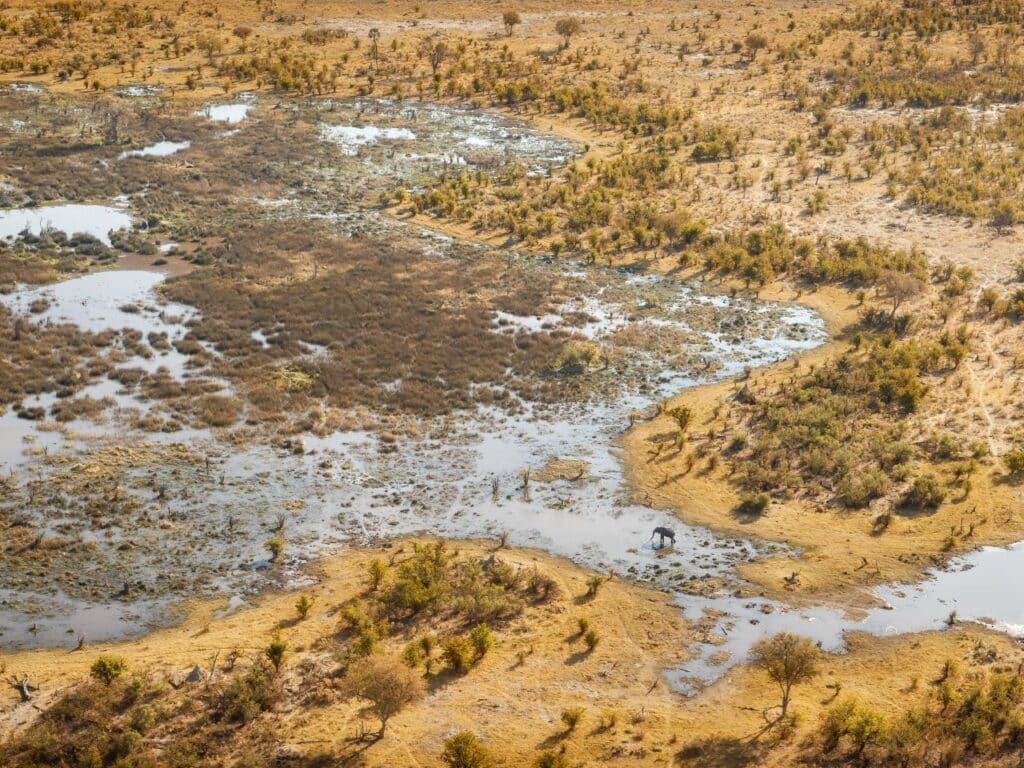
How Often Does It Rain In Egypt depends greatly on where you are in the country, and this is something many travelers don’t expect. Egypt may be known as a desert destination, but rainfall patterns still vary between coastal areas, cities, and the deep south.
Along the northern coast, especially around Alexandria and the Mediterranean shoreline, rain is more noticeable during winter. You might experience short showers or cloudy days, which feel very different from the rest of the country. In contrast, Cairo receives only occasional light rain, often just a few days per year. This is why questions like When did it last rain in Egypt are common—because in many areas, people barely remember the last time it happened.
Further south, in places like Luxor and Aswan, rain is extremely rare. In fact, some years pass without any rainfall at all. Walking through temple complexes or exploring ancient tombs, you will likely notice how dry the environment is, which has helped preserve carvings for thousands of years.
Because of these regional differences, your travel experience can slightly change depending on your route. Still, one thing remains consistent across Egypt—rain is never a major concern when planning your trip.
Rainfall in Egypt: Rare but Possible
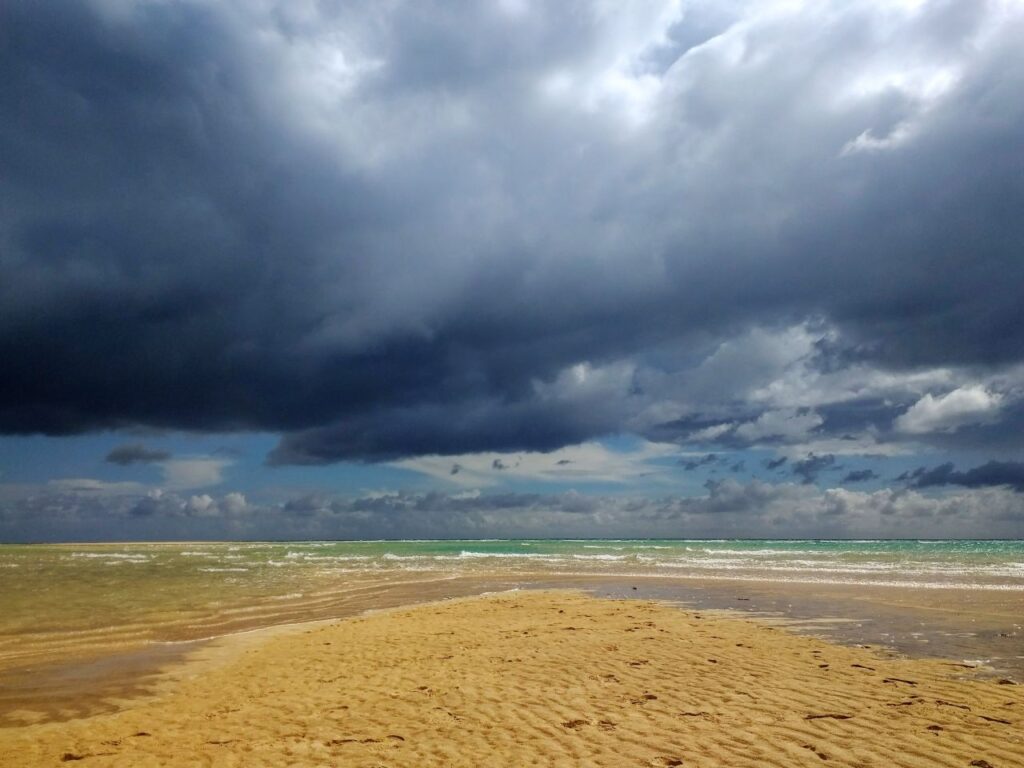
Rainfall in Egypt is uncommon, but it does happen—and when it does, it often feels like a special event. Most of the country experiences long stretches of completely dry weather, yet during winter months, brief showers can appear, especially along the Red Sea coast or in northern cities. These moments are usually short-lived, sometimes lasting only a few minutes before the sun returns.
One interesting thing is how noticeable even light rain becomes. Streets may slow down, locals pause to watch, and travelers often take photos because it feels so unusual. If you are spending time by the sea, your plans are rarely affected. Activities like Snorkeling Sharm El Sheikh continue almost all year under clear skies, with rain being too infrequent to cause disruptions.
In desert regions, the situation is even more extreme. Rain might not fall for months or even years. However, when it does, the dry land absorbs it quickly, and the landscape briefly changes in ways most visitors never expect.
Because of this balance, Egypt offers a reliable climate for travel while still allowing the rare chance to experience something different. Rain is not part of daily life here—but its occasional appearance adds a unique touch to the journey.
What is the rainy month in Egypt?
There isn’t a single clearly defined rainy month in Egypt, but if you had to choose, the highest chance of rain usually falls between December and February. Even then, the word “rainy” can be misleading. How Often Does It Rain In Egypt during these months is still very limited, with only occasional light showers rather than continuous rainfall.
Looking at the broader Egypt climate by month, winter stands out as the only period when clouds and brief rain are possible. In Cairo and along the Mediterranean coast, you might experience a few scattered rainy days. However, these showers are often short and mild, rarely lasting more than a few hours. Many travelers don’t even encounter rain at all during their visit.
Further south, in places like Luxor and Aswan, even winter rain is extremely rare. You can walk through ancient temples or cruise along the Nile without worrying about weather interruptions. This consistency is one of the reasons Egypt remains a year-round destination.
So while winter can technically be considered the “rainiest” time, it still feels dry compared to most countries. For travelers, this means you can plan with confidence, knowing rain is unlikely to affect your experience.

Daily Chance of Precipitation in Cairo
In Cairo, the daily chance of precipitation is extremely low for most of the year, which often surprises first-time visitors. Unlike cities with regular seasonal rain, Cairo experiences long stretches of completely dry days, especially from spring through autumn. Even in winter, when rain is slightly more likely, the chances on any given day remain minimal.
Most travelers walking through the city—whether near the pyramids of Giza or along the Nile—quickly notice how consistent the weather feels. Clear skies dominate, and clouds are often brief. Rain, when it happens, usually appears as a light shower rather than a full day of wet weather.
Because of this, outdoor activities are rarely affected. For example, visitors enjoying a Glass Bottom Boat Sharm El Sheikh experience or planning excursions from Cairo can expect stable conditions without worrying about sudden weather changes. This reliability makes Egypt especially appealing for those who want predictable travel plans.
Even during the “rainier” winter months, precipitation tends to be scattered and short-lived. So while Cairo does have a slight chance of rain on certain days, it remains one of the driest major cities you can visit.
Average Monthly Rainfall in Cairo
Average monthly rainfall in Cairo is incredibly low, which leads many travelers to ask, How common is rain in Egypt? The answer becomes clear when you look at the numbers—most months record little to no rainfall at all. From April through October, it is almost guaranteed that you will not see rain, with completely dry skies dominating daily life.
How Often Does It Rain In Egypt becomes even more interesting when focusing on Cairo specifically. During the winter months, particularly December and January, the city may receive a small amount of rain, but it is usually very limited. Some months might record just a few millimeters in total, often spread across one or two brief showers.
Walking through Cairo during these cooler months, you might notice slightly overcast skies, but rain itself remains rare. Even when it happens, it rarely interrupts visits to historical sites like the pyramids or museums. In fact, many travelers never need to adjust their plans at all.
This pattern highlights how unique Cairo’s climate is. Unlike many global cities, rainfall is not part of the monthly rhythm. Instead, sunshine remains the defining feature, making Egypt a reliable destination for outdoor exploration throughout the year.
The average number of days each month with precipitation (> 0.2 mm (0.01 in))
Across Egypt, the average number of days with measurable precipitation is extremely low, often close to zero for most months of the year. In cities like Cairo, you may only see one or two days with light rain during the entire winter season, while the rest of the year remains completely dry. This makes Egypt very different from destinations where rain is part of a regular monthly pattern.
Looking at it from a traveler’s perspective, this means your plans are rarely affected. Even during winter, when rain is slightly more possible, it tends to appear briefly and disappear just as quickly. Many visitors exploring outdoor sites or walking through historic areas never encounter rain at all during their stay.
Because of this dry climate, activities continue without interruption. For example, experiences like Horse Riding Sharm El Sheikh are available almost every day, with clear skies and stable weather making them easy to plan in advance. This consistency is one of Egypt’s biggest advantages as a travel destination.
In practical terms, the number of rainy days per month is so low that it becomes almost insignificant. For most travelers, rain is not something to consider—it’s something you might notice once, if at all.

Annual Rainfall in Egypt: City Comparison
How Often Does It Rain In Egypt becomes clearer when you compare different cities across the country. Rainfall levels vary, but overall totals remain very low, especially when compared to global averages. Northern coastal cities like Alexandria receive the highest rainfall, mainly during winter, while central and southern regions stay almost completely dry.
Cairo sits somewhere in the middle. It may receive a few light showers each year, but the total rainfall is still minimal. This ties closely to Egypt winter temperature, where slightly cooler air allows for occasional clouds and brief rain. Even then, the annual rainfall in Cairo remains limited, often measured in just a few millimeters.
Move further south to Luxor or Aswan, and the difference becomes even more noticeable. These areas may go years without any measurable rain at all. Walking through ancient temples or exploring tombs in the Valley of the Kings, you can clearly see how dry conditions have preserved structures for thousands of years.
This comparison highlights a key point: while some variation exists, Egypt as a whole is defined by its dryness. Whether you are on the Mediterranean coast or deep in Upper Egypt, rain is rare enough that it rarely affects travel plans.
Flash floods in desert areas
Flash floods in Egypt may sound unlikely, but they are a real and occasionally dramatic phenomenon. Even though rain is rare, when it does fall in desert regions, the ground cannot absorb water quickly. This can lead to sudden floods, especially in mountainous areas near the Red Sea or in parts of Sinai.
These events are not common, but they do happen from time to time, usually during winter storms. What makes them surprising is how fast they develop. Dry valleys, known as wadis, can suddenly fill with rushing water after a short period of rainfall. Many travelers never witness this, but locals and guides are very aware of the risks.
If you are exploring desert landscapes or planning activities like Quad Bike Sharm El Sheikh, tour operators always monitor weather conditions carefully. Safety measures are taken seriously, and trips are adjusted if there is any chance of unusual weather.
For most visitors, flash floods remain something you hear about rather than experience. Still, they highlight an important fact—Egypt’s climate is extremely dry, but when rain does appear, it can behave in unexpected ways.
How Often Does It Rain In Egypt and What It Means for Your Travel Plans
How Often Does It Rain In Egypt is more than just a weather question—it directly shapes how easy and predictable your trip will be. With such a low number of rainy days throughout the year, travelers can confidently plan outdoor activities without worrying about sudden changes. In fact, when people ask How many days does it rain in egypt, the answer is often surprisingly close to zero in many regions.
This has a big impact on your overall experience. Whether you are exploring ancient temples in Luxor, walking through Cairo’s busy streets, or relaxing by the Red Sea, your plans are rarely interrupted by weather. Even in winter, when rain is slightly more possible, it tends to be short and manageable.
Many visitors appreciate this reliability. You can schedule tours, desert trips, or cultural visits without needing backup indoor plans. For example, while exploring southern Egypt, combining your journey with an Unfinished Obelisk Tour allows you to enjoy history under clear skies almost guaranteed.
Because of this dry climate, Egypt stands out as a destination where weather rarely creates uncertainty. Instead of checking forecasts daily, you can focus on the experience itself—knowing that sunshine will likely be part of your trip from start to finish.
How Often Does It Rain In Egypt Compared to Other Destinations
Compared to many popular travel destinations, Egypt stands out as one of the driest places you can visit. In Europe or parts of Asia, rain can shape entire travel plans, with frequent showers and cloudy days throughout the year. In contrast, How Often Does It Rain In Egypt is a completely different story—rain is rare, brief, and often unpredictable rather than seasonal.
For example, cities like London or Paris experience regular rainfall across multiple months, while tropical destinations may have heavy rainy seasons. Egypt, however, offers a stable climate where sunshine dominates nearly every day. This is why many travelers choose it when they want to avoid weather disruptions.
Even when exploring historical areas or planning excursions, the difference becomes clear. Walking through ancient sites in Luxor or visiting Aswan, you are far less likely to deal with rain than in most global destinations. Experiences such as the Unfinished Obelisk Tour are rarely affected by weather, allowing visitors to enjoy history without interruption.
This comparison highlights a key advantage—Egypt provides consistency. While other countries require careful timing to avoid rain, Egypt offers a reliable environment where clear skies are the norm, making it ideal for year-round travel.